The main points
- Lean Alaskan Huskies, bred at one northern kennel for endurance, resilience and heart across two generations.[1]
- The self-drive husky sledding adventure booked from this site takes 4 hours and starts from US$351, with instruction in English.[2]
- Dog sledding in Northern Norway typically runs from December to March, depending on snow conditions.[3]
- Tromsø winters average around -4°C, so a windproof layer, thick gloves and a hat are part of the kit.[4]
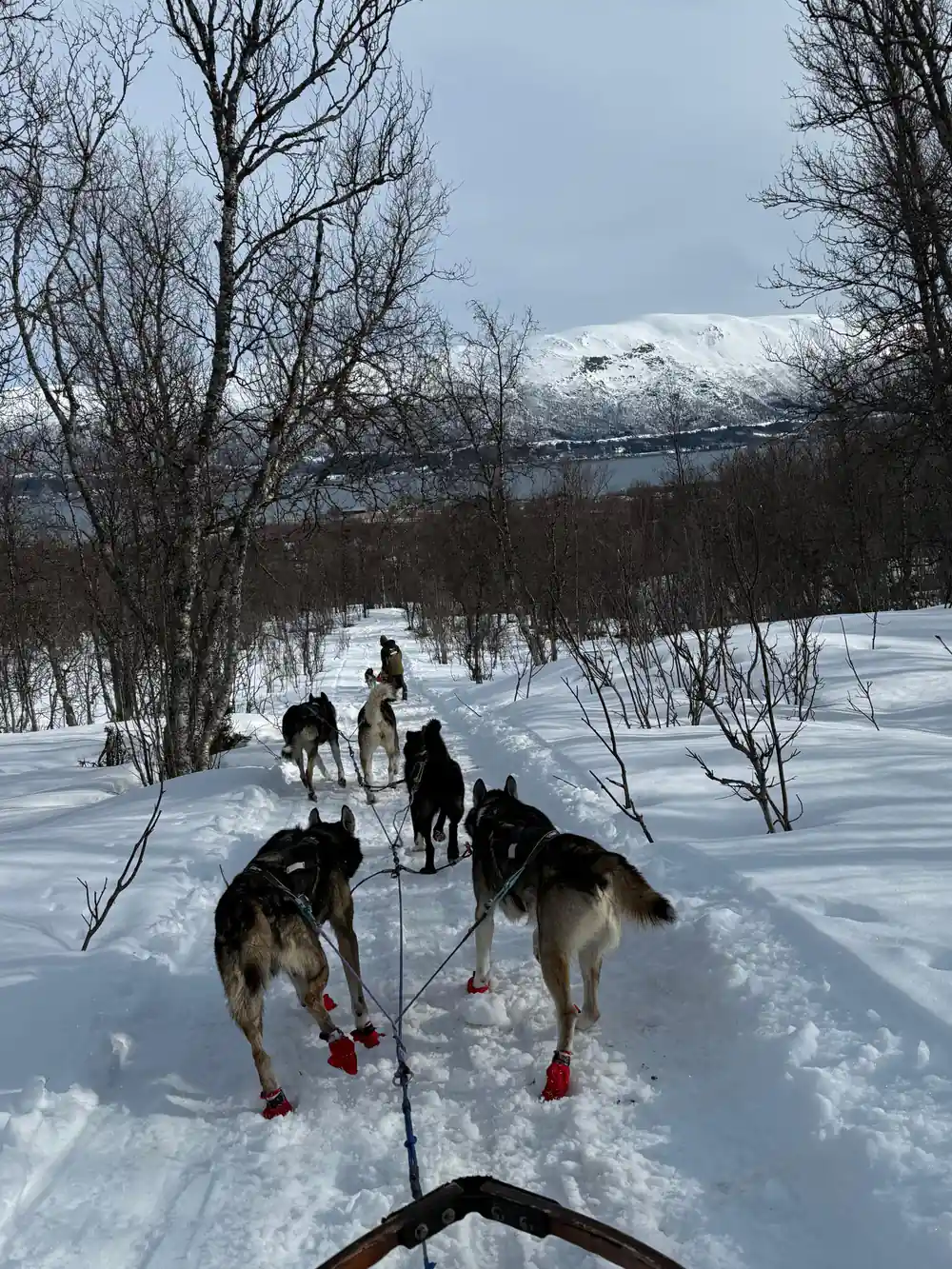
- Lead dogs run out front, swing dogs help the turns, and wheel dogs take the weight nearest the sled.
- Top choice Self-Drive Husky Sledding from US$351 Duration4 hours[2]Ratingrated 4.91 from 4,408 reviews[2]GuideInstructor in English[2]CancellationCancel up to 24 hours ahead[2] Check availability
- Husky Sled Self-Drive from US$355 Duration4 hours[5]Ratingrated 4.86 from 2,050 reviews[5]GuideLive guide in English[5]CancellationCancel up to 24 hours ahead[5] See this tour
- Fun and Easy Dog Sledding from US$305 Duration4.5 hours[6]Ratingrated 4.88 from 2,077 reviews[6]GuideLive guide in English[6]CancellationCancel up to 24 hours ahead[6] See this tour
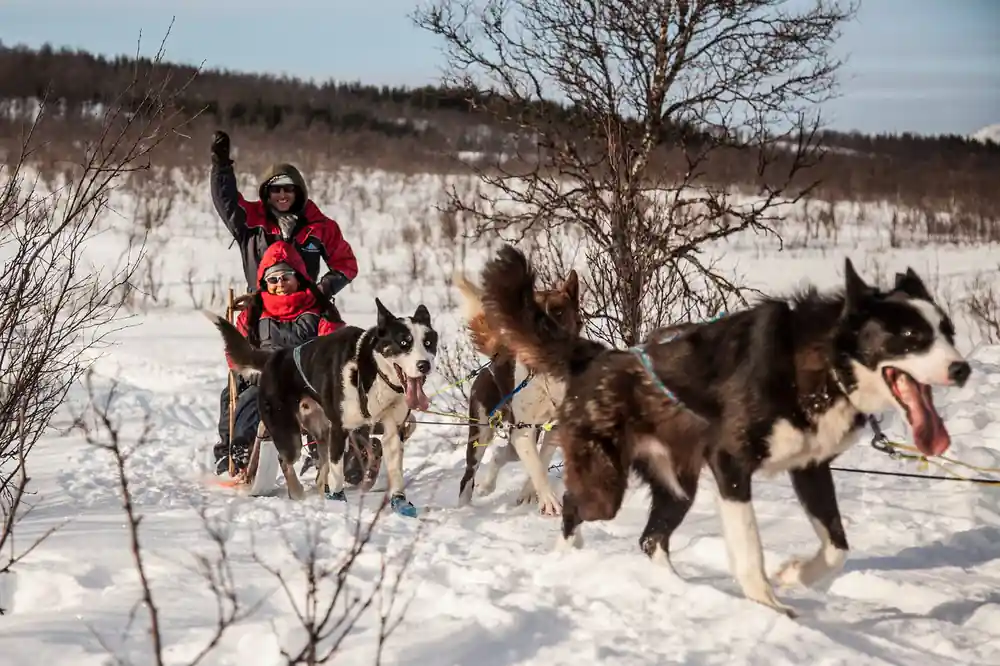
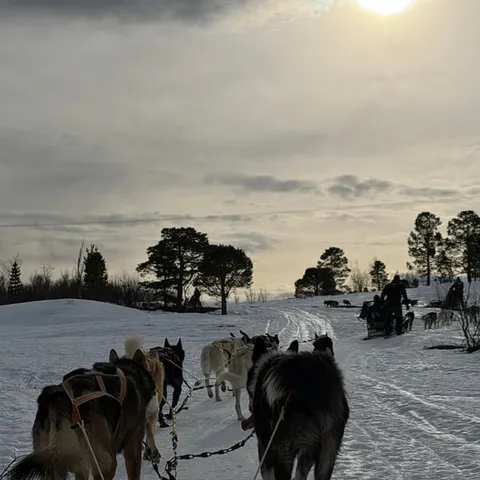
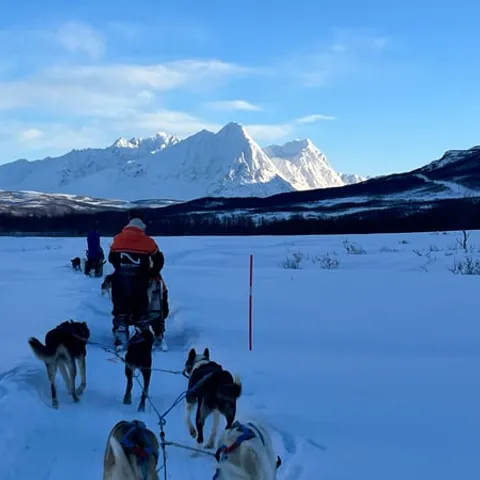
Finnmarksløpet - the longest dog-sled race in Europe challenge mushers to explore the limits of their capabilities and perform.
Verdict: Take the Reins on Kvaløya
Check before booking
The Husky: Built for Arctic Speed
Stand in a dog yard outside Tromsø and the first surprise is not the noise but the shape of the dogs. An Arctic sled dog is lean, long-legged and light-boned, built to keep moving over snow for hours rather than to win a short sprint. At Holmen Husky Lodge, one family has raised and raced Alaskan Huskies bred for endurance, resilience, and heart for over three decades and two generations.[1]
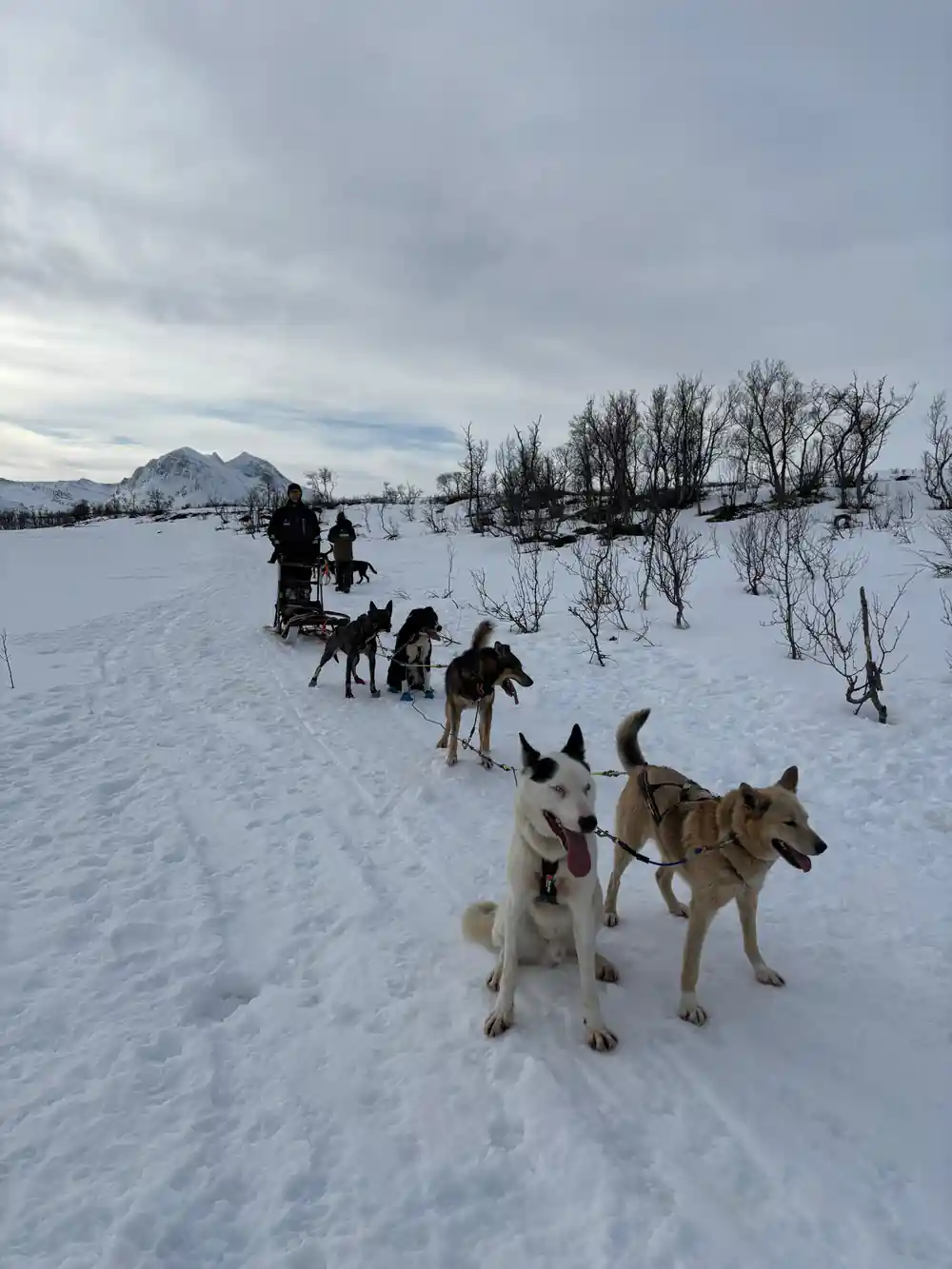
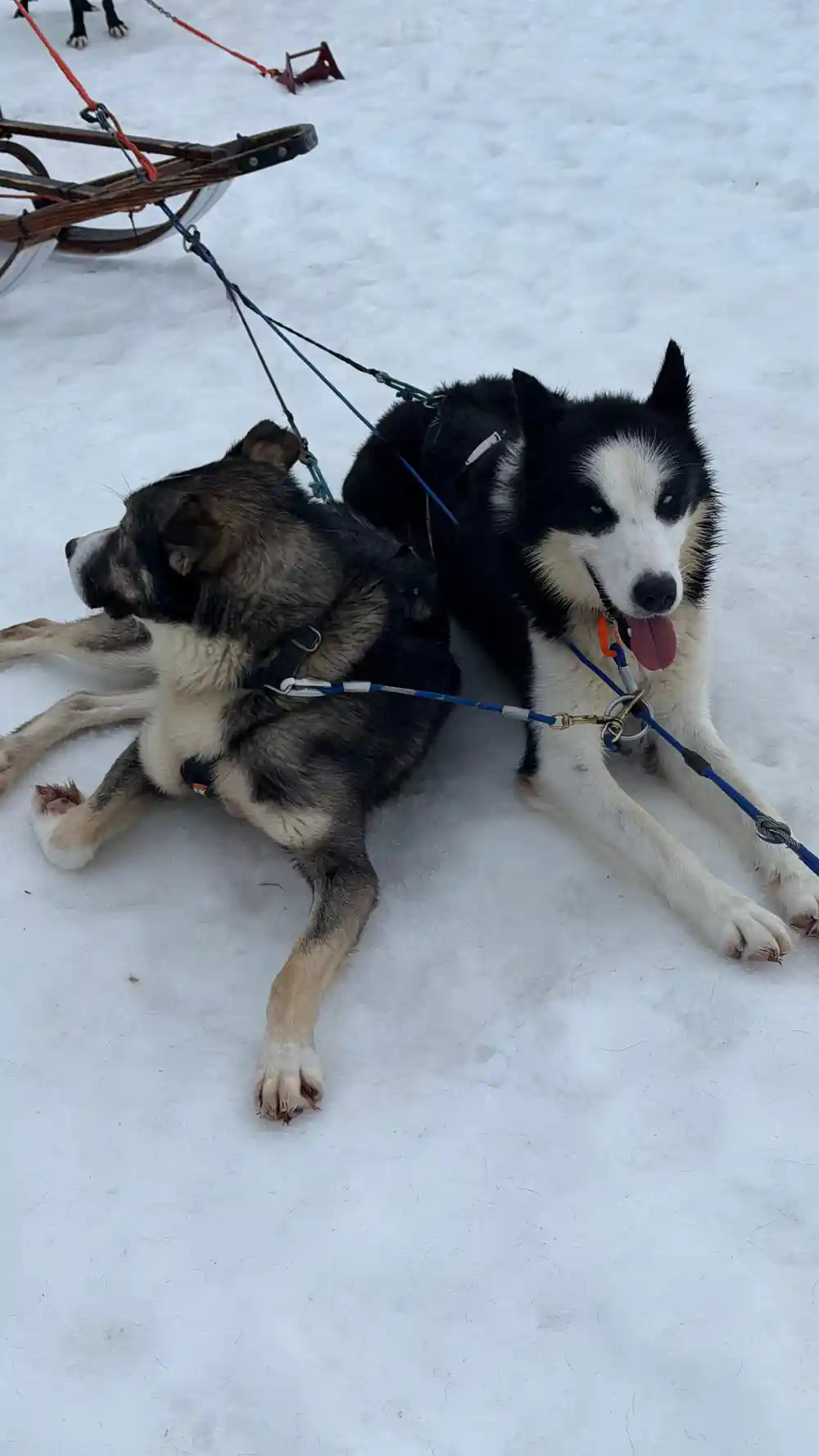
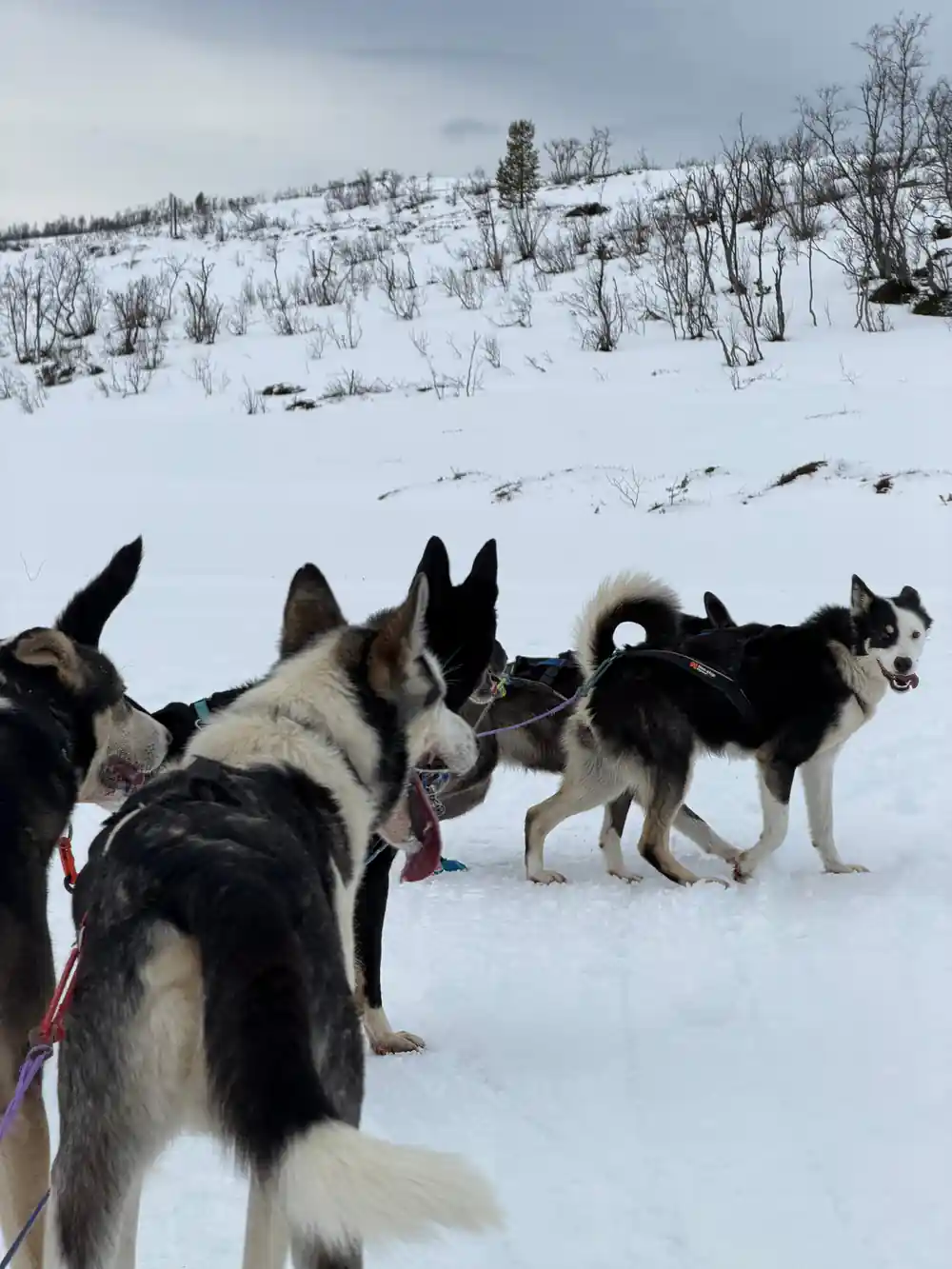
Look closer and the details make sense. A thick double coat traps warm air, upright ears lose less heat than long floppy ones, and a curled tail can be wrapped over the face during a rest. Paws are compact and tough, with fur between the pads for grip on ice. Colours vary from pale cream to black, so a line of dogs in harness often looks like a bag of mixed liquorice.
None of this is decoration. These are working animals kept in kennels in social groups, fed on a schedule built around the calories they burn, and checked over by handlers who know every dog by name. When you meet a team before a run, the dogs press against the harness and howl at each other. That eagerness is the engine of the whole trip.
Team Positions: Lead, Swing and Wheel
A dog team is not a random bundle of animals on a line. It is a set of positions, and each one asks something different of the dog that fills it. Lead dogs run out in front and set both the pace and the line the rest will follow. Behind them come the swing dogs, whose job is to help the team turn. In the middle runs the steady engine room.
The wheel dogs sit closest to the sled, taking the weight of the load and the first jolt when you set off. Mushers talk about partnerships rather than individuals, because dogs are matched with a partner and learn to work alongside it. Putting the wrong dog next to the wrong one can spoil a run, so handlers shuffle the line-up before a season and sometimes during one.
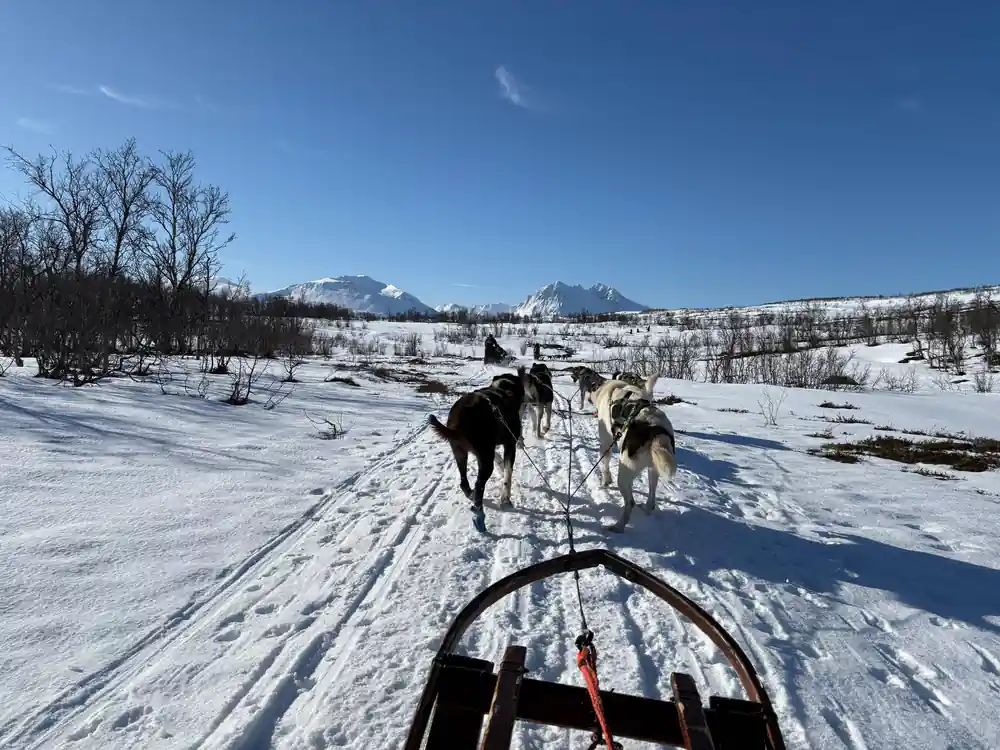
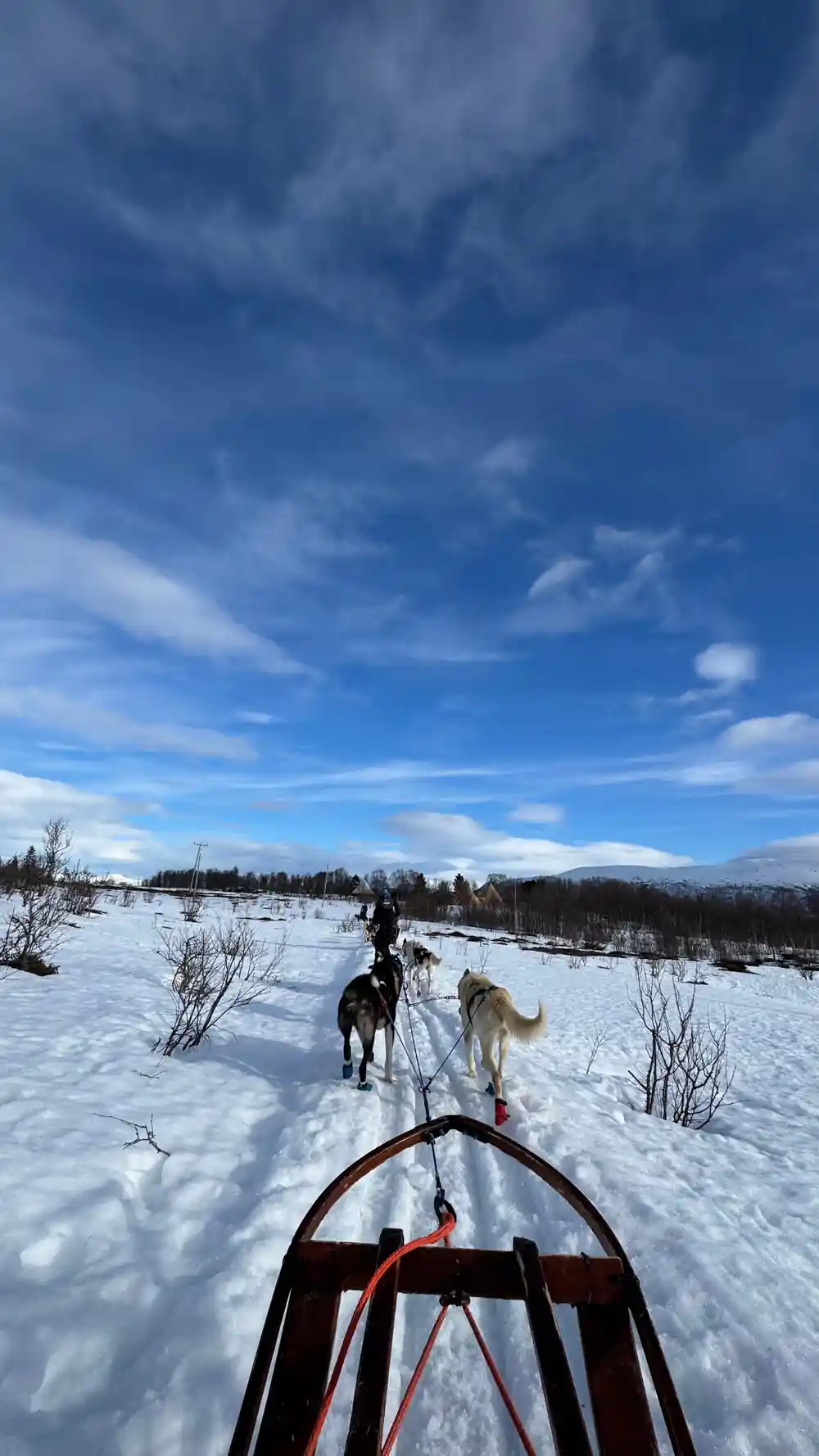
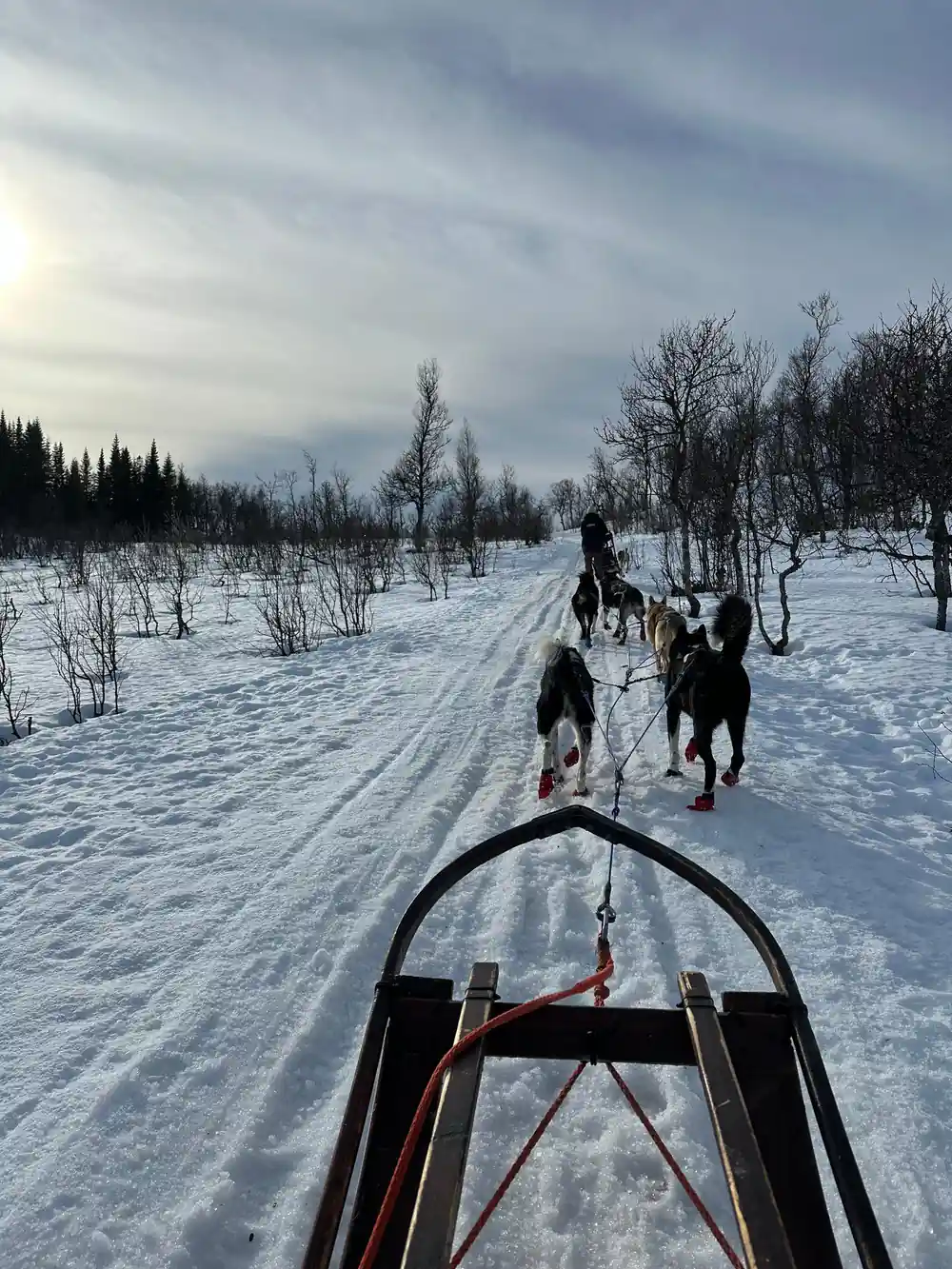
Handlers decide how many dogs you drive and where each one stands before you leave the yard. The self-drive husky adventure lists a coach route from Tromsø out to Kvaløya and back.[2] Kvaløya begins less than 5 km from central Tromsø.[8] Framed by water and low hills, the island is the backdrop for a lot of winter sledding near the city.
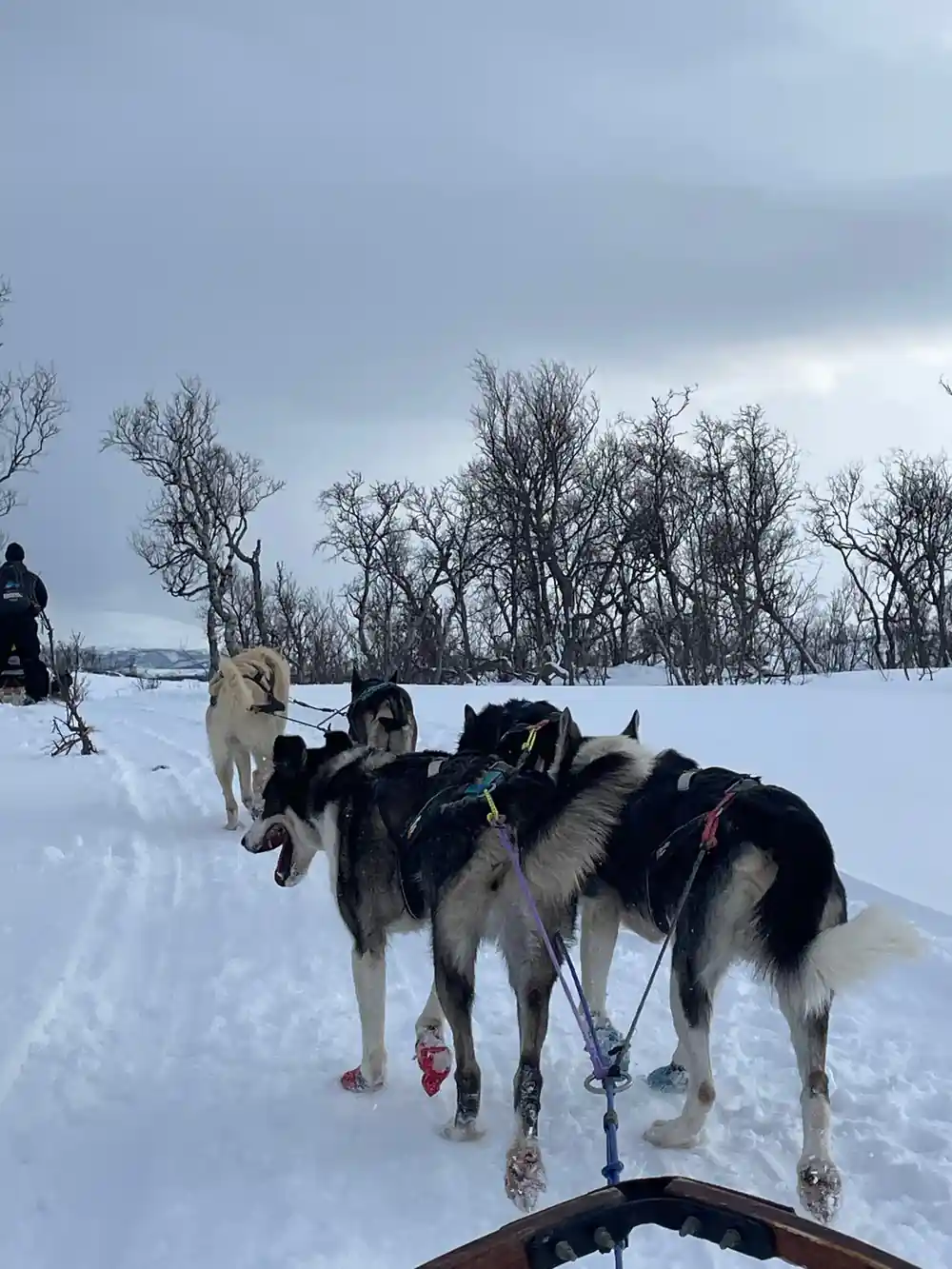
Resting huskies on the snow between runs, tails curled over their faces.
Learning Names and Directional Commands
Mushers rarely shout full sentences. A few short words do the work: hike to go, easy to slow down, whoa to stop, and gee or haw for right and left. The dogs read tone as much as vocabulary, and a calm voice carries further than a loud one. Ask the instructor to run through the commands before you set off so nothing feels new on the trail.
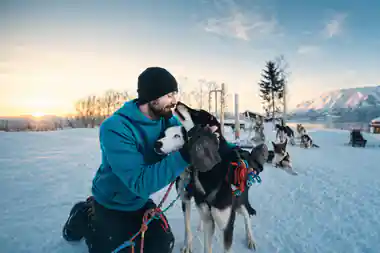
Names matter just as much. Every dog in the kennel has one, and handlers use them to call a dog back, move it in the line or praise it at the end of a run. Learn a couple of names in your team and you will see how quickly a dog turns its head when it hears you. It is also the fastest way to feel part of the team rather than a passenger.
Briefings on the self-drive tour are given in English, with an instructor on hand through the run.[2] You do not need previous experience. The first flat stretch of trail is the place to find your balance: stand on the runners with both feet, keep your knees soft, and lean into the turns instead of pulling on the handlebar.
The Scream at the Start Line
A husky team waiting to run is one of the loudest things in the Arctic. Dogs jump against their harnesses, howl, spin and bite at the snow while handlers walk the line and check every clip. New drivers often ask whether the dogs are fighting. They are not. They are ready, and the noise is simply a team that wants to move.
Then someone lifts the snow anchor and the whole yard goes quiet. Within a few strides the barking stops and all you hear is paws on snow, the runners hissing and your own breathing. That change from chaos to silence stays with people. It happens fast, so keep your weight centred and watch the team in front of you.
Timing shapes the whole experience. Dog sledding in Northern Norway typically runs from December to March, depending on snow conditions.[3] The average winter temperature in Tromsø is around -4°C.[4] With a windproof layer and proper gloves, that is workable weather for a morning on the trail.
from US$351
The self-drive husky tour runs 4 hours, heads out to Kvaløya and back, and is rated 4.91 from 4,408 reviews.[2]
Puppies, Training and Retirement
Kennels are busy places in winter and even busier in spring, when litters arrive. Puppies start with short walks and games, then graduate to running beside older dogs in harness long before they pull any weight. Training is slow, repetitive and mostly about confidence: a young dog learns that the line, the noise and the snow are all normal.
Retirement looks different here too. A sled dog that has run its last long season often stays at the kennel as a steadying presence for younger animals, and older dogs are usually the first to wander over to a fence. The family at Holmen Husky Lodge has raised and raced Alaskan Huskies for over three decades and two generations.[1]
None of that happens quickly. A kennel's reputation rests on dogs that stay sound, eat well and want to run again the next day, and the people who work with them spend far more time on feet, food and rest than on racing. If you visit a yard, watch how handlers treat the quiet dogs as well as the loud ones. That is where the real work sits.
What to Expect When You Take the Reins
The self-drive husky sledding adventure booked from this site takes 4 hours and starts from US$351.[2] The coach route runs from Tromsø out to Kvaløya and back.[2] Instruction is in English, and you handle the sled yourself. You will be shown how to stand, brake and lean before you set off.
Wear what you would wear for a long walk in deep winter: thermal base layers, a windproof outer layer, thick gloves, a hat and boots with room for wool socks. Overboots and a spare pair of gloves are worth carrying. When the sled stops, sit down, keep your hands away from the line, and never let go of the sled unless the guide tells you to.
You do not need strength to drive a dog team. Balance, a bit of nerve and a willingness to follow instructions matter more. Free cancellation is offered up to 24 hours in advance for a full refund, so you can book the winter date you want and watch the forecast as it gets closer.[2]
The Physical and Mental Athlete
A sled dog in winter is a working athlete. Teams cover long distances over snow, day after day, on a diet built around fat and protein, and kennels watch weight, paws and attitude the way a coach watches a runner. The dogs you meet are not pets doing a trick for a treat. Running is the reward, and a dog that has finished its run is usually the calmest animal in the yard.
Breeding matters in this world. Finnmarksløpet is the longest dog-sled race in Europe.[9] Races at that level need dogs with the same qualities you will see in a tourist team: stamina, appetite for work and a good head for the trail.
So what motivates huskies? Mostly the same thing that motivates anyone who works outdoors in the cold: movement, a team, clean air and a clear task. Watch a team at rest and you will see dogs that nap, dig and keep an eye on the trail in turns, then come alive when a harness appears. That switch from sleeping heap to howling engine is the character of the breed in one moment.
From-prices for husky experiences near Tromsø
From-prices per person from these listings.[2][10][11][12][13]
What a husky day out costs
From-prices per person from these listings.[2][6][10][11][13]
When to plan a husky day in Tromsø
How the day runs
Meet the dogs
You start in the dog yard, where the team is harnessed and you learn a few of the dogs' names.
Learn the controls
The instructor shows you how to stand on the runners, brake and lean into the turns.
Take the reins
You drive your own team along the trail while the guide leads the way ahead of you.
Swap on the trail
There is usually a swap part way round, so everyone gets a turn on the runners.
Back at the kennel
The dogs are unharnessed and fed before the coach returns to the city.
Drive your own husky team on Kvaløya this winter
from US$351Reserve now & pay later