The main points
- Sledding is not abuse by itself. What decides it is how the dogs live, work and rest, and much of that is visible on the day you visit.
- The dog sledding season in Northern Norway typically runs from December to March, depending on snow conditions.[1]
- Ask who the vet is, how many days a week the dogs work, how teams are rotated, and what happens to a dog that is too old to run.
- Coats, eyes, weight and posture tell you a lot. Lean, muscular dogs that come forward to meet you are a better sign than any glossy brochure.
- The self-drive husky tour this site books runs 4 hours from US$351 and can be cancelled free up to 24 hours in advance.[2]
- Top choice Self-drive on Kvaløya from US$351 Rating4.91 from 4,408 reviews[2]Duration4 hours[2]LanguageEnglish[2]CancellationFree cancellation up to 24 hours[2] Check availability
- Self-drive with lunch from US$355 Rating4.86 from 2,050 reviews[3]Duration4 hours[3]LanguageEnglish[3]CancellationFree cancellation up to 24 hours[3] See this tour
- Fun and Easy, Breivikeidet from US$305 Rating4.88 from 2,077 reviews[4]Duration4.5 hours[4]LanguageEnglish[4]CancellationFree cancellation up to 24 hours[4] See this tour
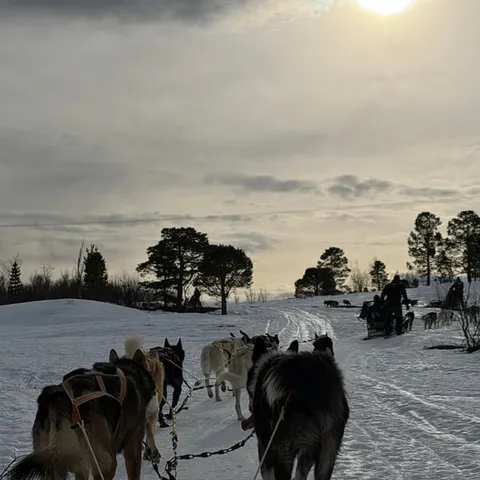
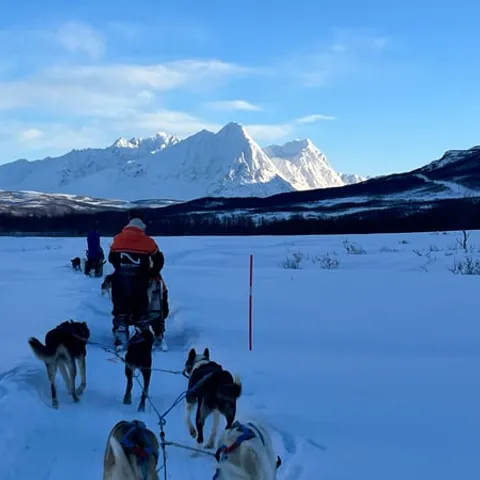
Just 95 km from Tromsø, hidden deep in the heart of Tamok Valley, lies a snow-covered wonderland waiting to be explored.
Worth booking, with your eyes open
Check before booking
On the day
- Ask to see the whole kennel, not only the sledding field
- Watch how long the dogs stand harnessed before the run starts
- Ask before petting, and let the dog come to you
- Tromsø winter averages around −4°C, so dress for it[6]
What welfare looks like at a good husky kennel
The question behind the phrase is dog sledding animal abuse is really a simpler one. Does this dog want to be here, and would I be able to tell if it did not? Sled dogs are working animals, bred and trained to pull, and the activity itself is not the problem. The problem cases look like every other animal welfare failure: too many dogs for the staff, poor food, no rest, no vet, rough handling, dogs left in filth day after day. Most of that is visible in half an hour at a kennel, if you know what you are looking at.
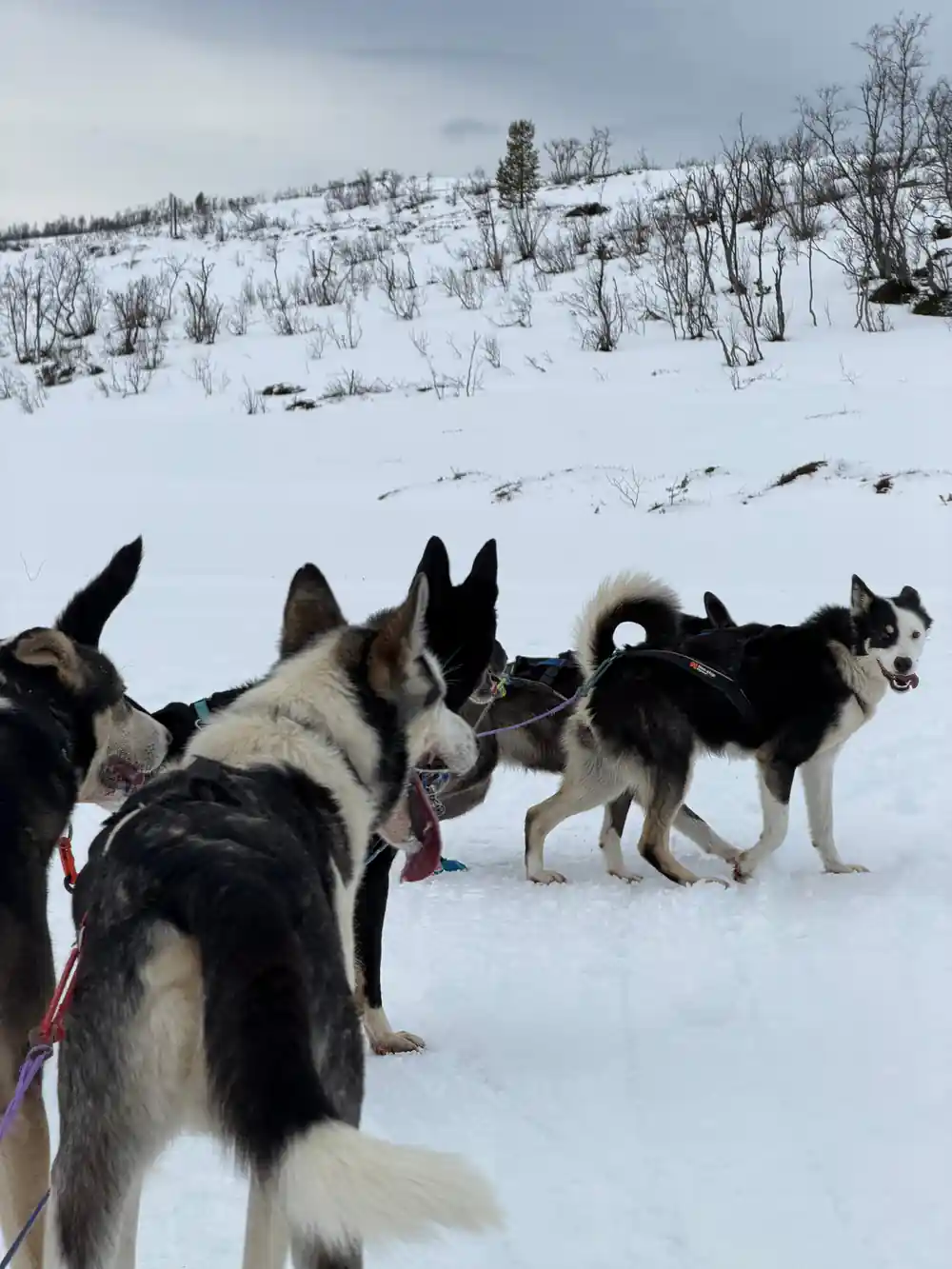
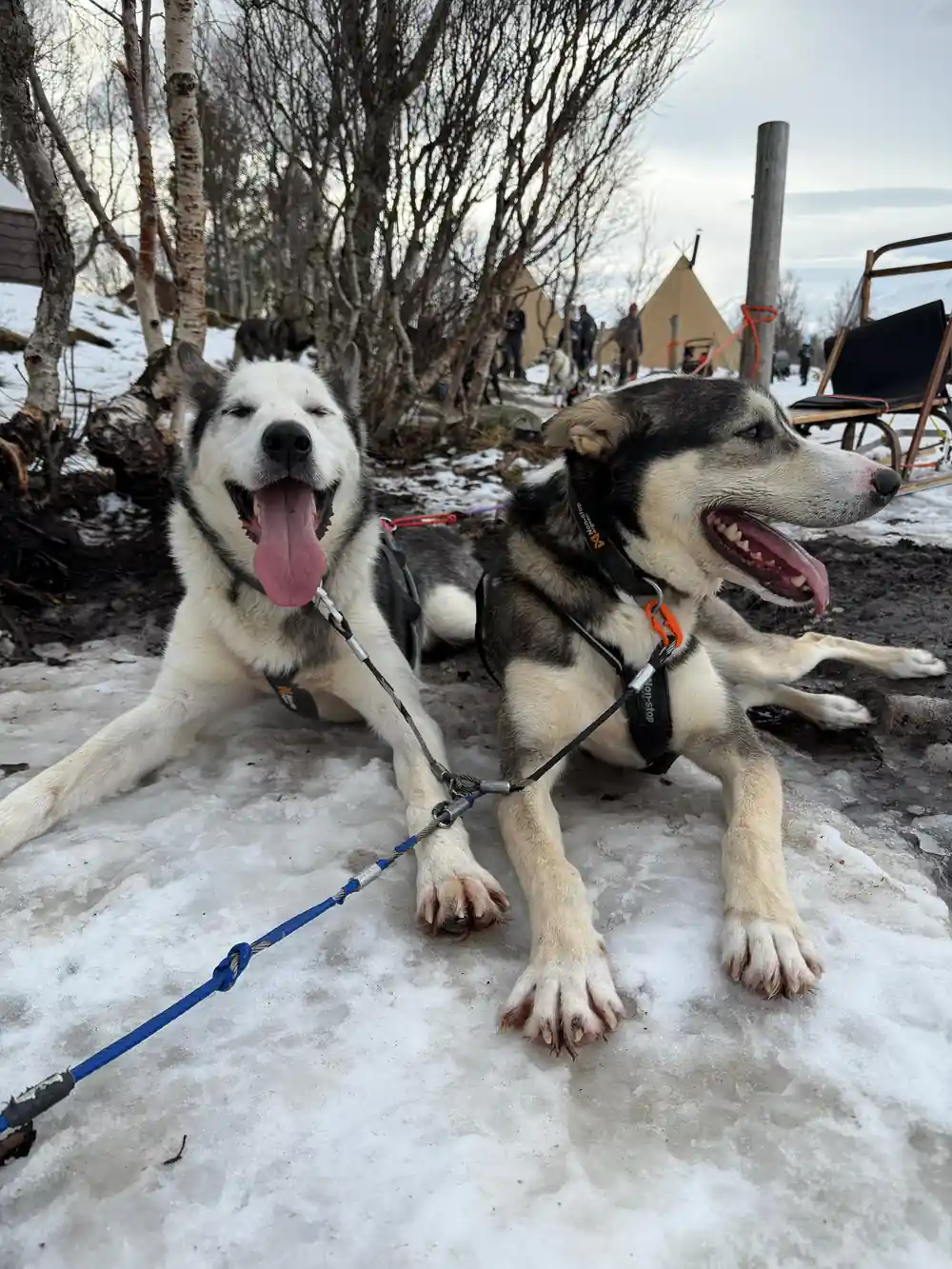
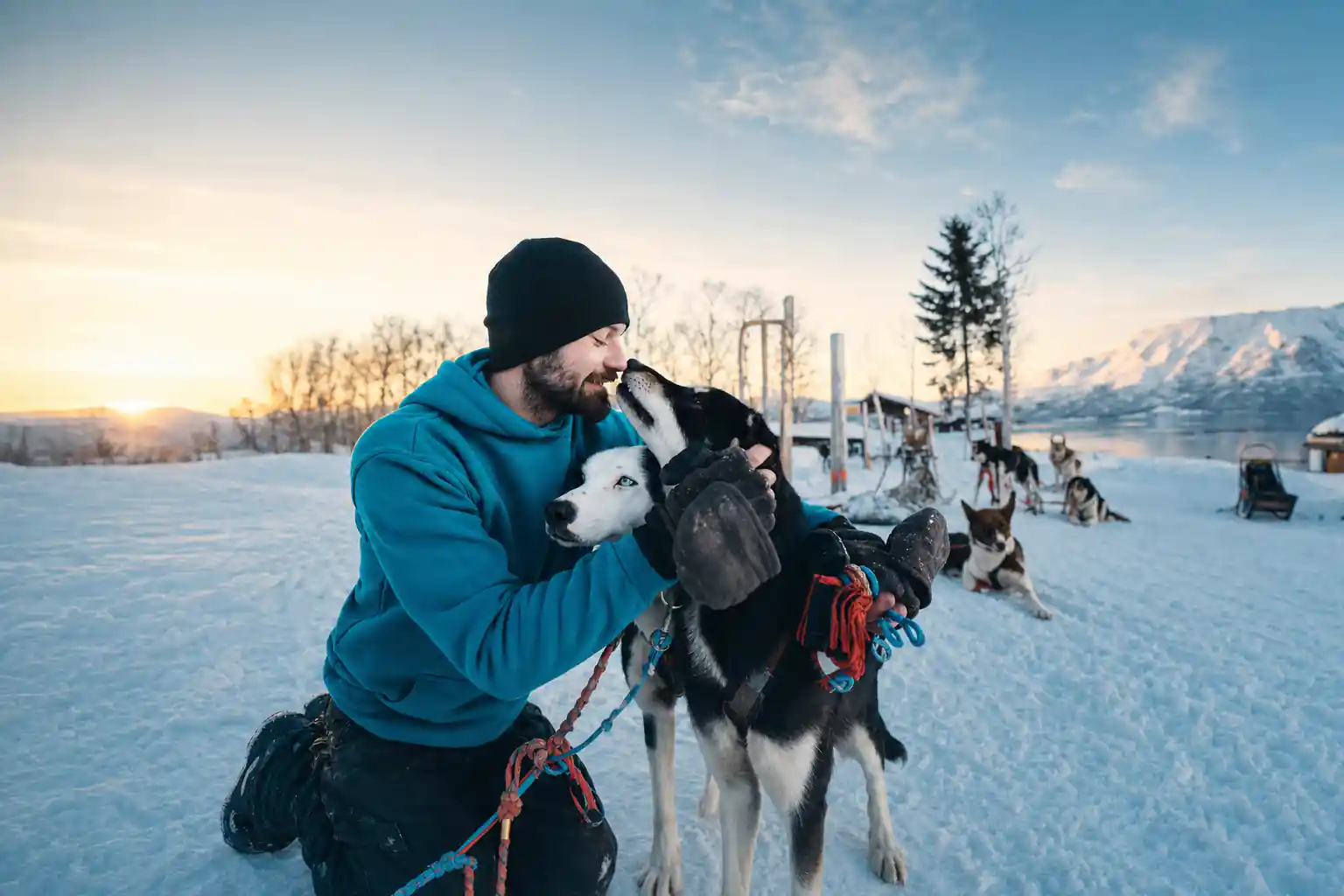
Start with the dogs. A fit sled dog is lean and muscular under a thick double coat, with clear eyes, clean ears and easy movement. It should stand without stiffness, show interest when people walk past, and settle quickly when nothing is happening. A dog that flattens to the ground, tucks its tail and tries to hide when a handler comes near is telling you something. So is a kennel that keeps visitors away from the dog yard and only shows you the sleds and the coffee pot.
One kennel in the Tromsø area, Holmen Husky Lodge, says the family behind it has raised and raced Alaskan Huskies bred for endurance, resilience and heart for over three decades and two generations.[7] That is the shape of a long relationship with dogs rather than a single season of business, and it is the kind of background worth asking about before you book.
How sled dogs stay fit and ready to run
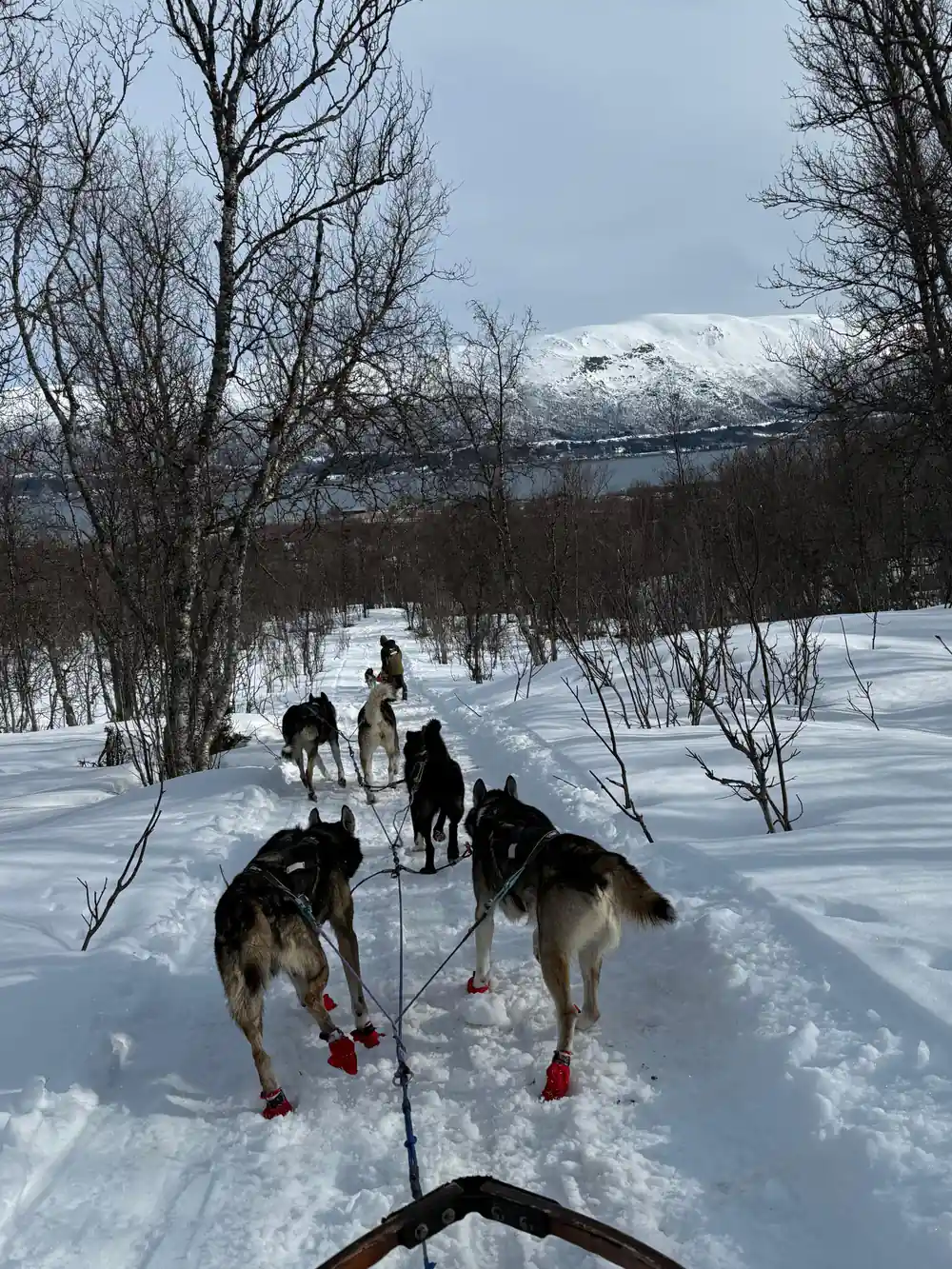
Sled dogs are athletes, and the good kennels train them that way. Distance is built up gradually through the autumn rather than in a rush. Dogs run in teams chosen for pace and temperament, and a sensible musher stops before a dog is empty rather than after. Most training is slow, steady, unglamorous work that builds the stamina a dog needs for a long day on snow.
Ask how a team is put together. Who decides which dogs run together? At what age does a dog start pulling seriously, and when is it allowed to stop? What happens to a dog that cannot keep up with the rest? For context, Finnmarksløpet is the longest dog-sled race in Europe,[8] and the dogs that run those distances are the same kind of athlete as the ones you meet on a short outing.
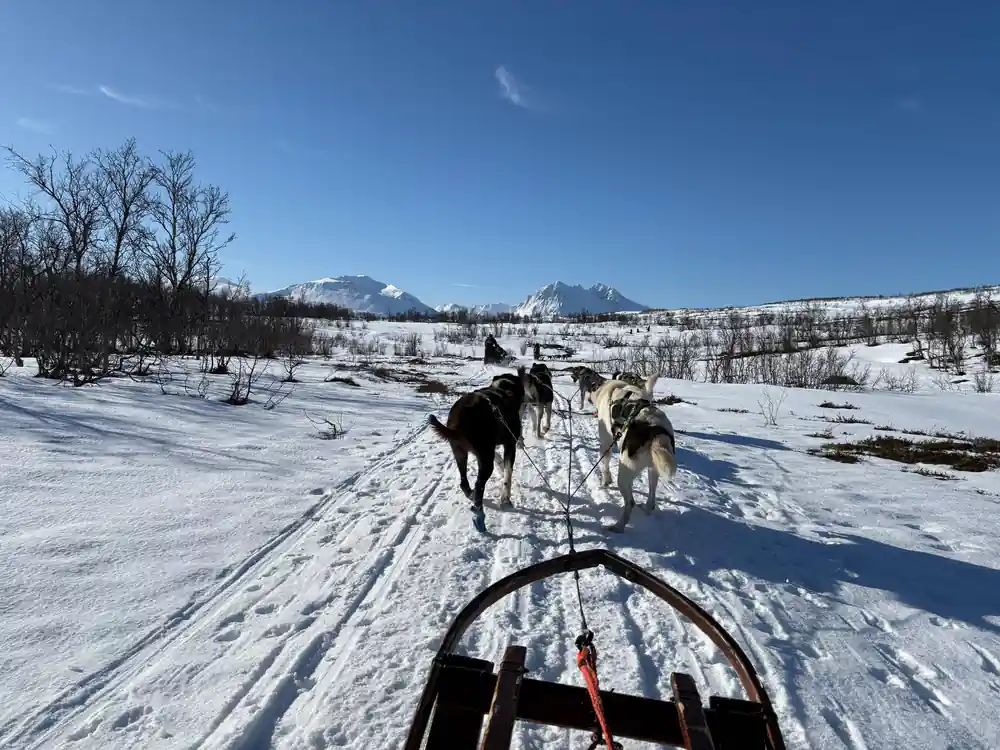
Sled dogs rest between runs. Watch how they lie, stand and greet people.
Housing, rest and recovery between runs
Most working sled dogs live outdoors, in pairs or small groups, each animal with its own kennel house and a bed of straw or shavings. That is normal housing for the breed, not neglect, so long as the dogs can get out of the wind, stay dry and have company. What you want to see is a clean yard, fresh bedding, water that is not frozen solid, and dogs that look settled in their runs rather than frantic.
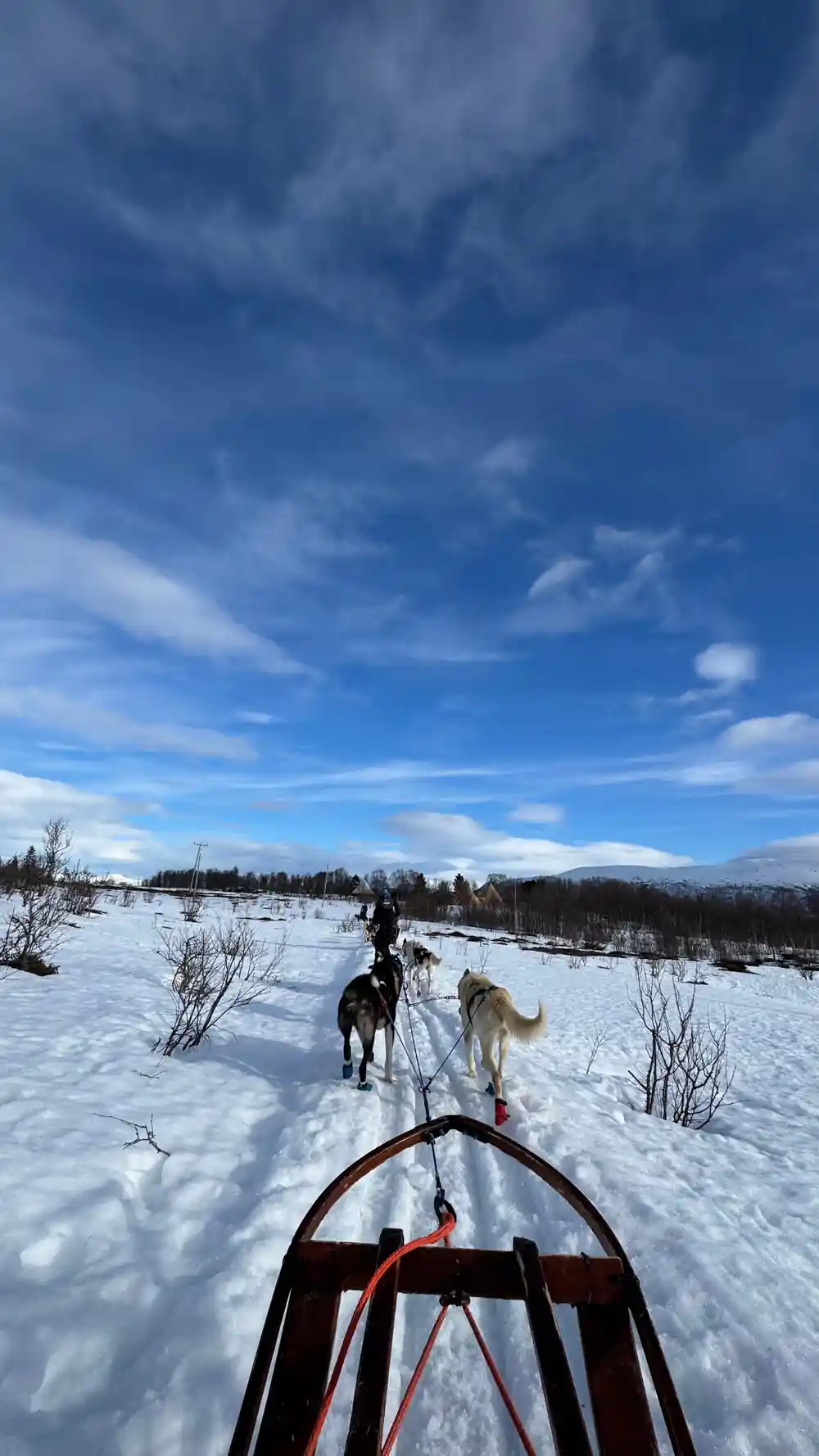
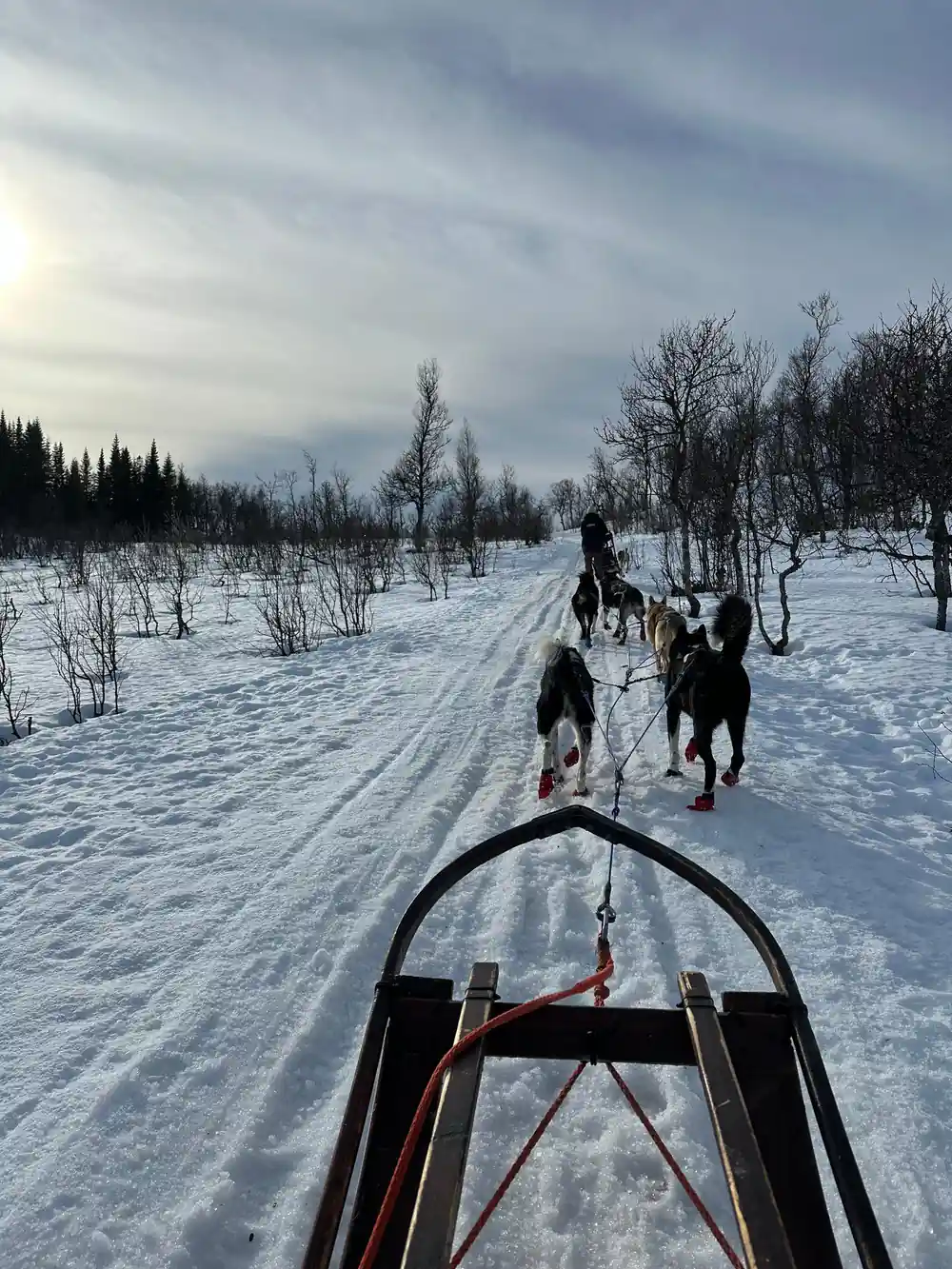
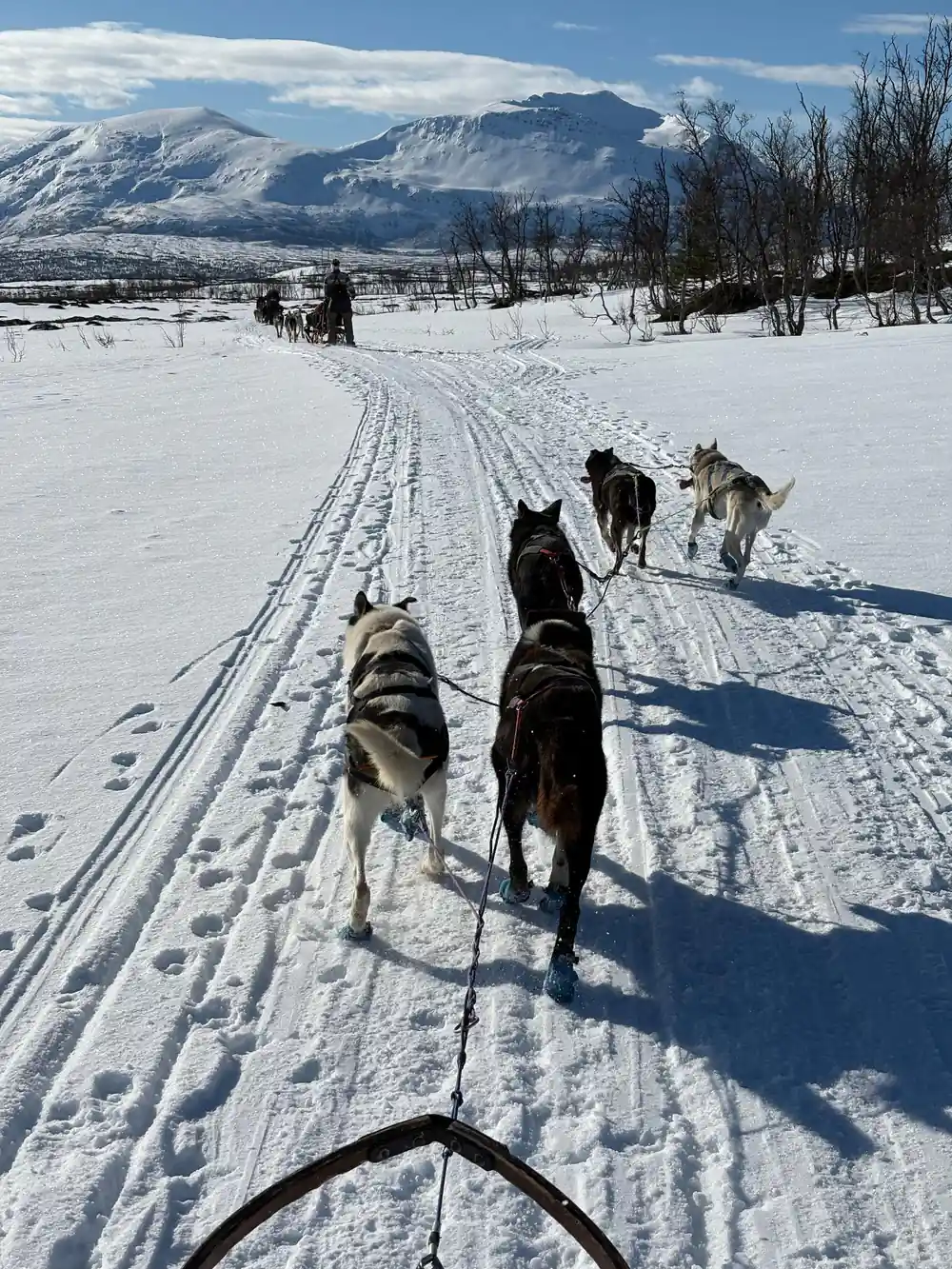
Rest is where a lot of welfare questions land. A dog that ran hard yesterday should not be at the front of the team again today. Ask how many days a week the dogs work, how many kilometres they cover, and whether the kennel keeps enough dogs to rest some and still run full teams. Your tour is one slice of that. The self-drive husky adventure this site books takes 4 hours, with a bus or coach loop out to Kvaløya and back,[2] and Kvaløya begins less than 5 km from central Tromsø.[9]
Feeding, hydration and body condition
Working sled dogs eat a lot, especially in the cold. Their diet is heavy on fat and protein, usually raw meat, fish and a rich kibble or warm soup, and meals are timed around running: something light before, the main feed once the dogs have cooled down. Water matters just as much, and keeping it liquid through an Arctic winter is a job in itself.
The average winter temperature in Tromsø is around −4°C,[6] and these dogs carry the coat for it. They still burn energy staying warm through the dark of the polar night, which runs from 27 November to 15 January.[10] Body condition is the quickest test. You should be able to feel ribs through a layer of muscle and fat, and see a waist from above. Dogs that look bony, or that are scraping at snow for something to eat, are not being fed enough.
from US$351
The self-drive husky tour this site books runs 4 hours, out to Kvaløya and back by coach, and cancels free up to 24 hours ahead.[2]
Veterinary care and health monitoring
A serious kennel has a vet it uses regularly and a routine for vaccinations, worming, teeth and injuries. Mushers handle feet constantly, checking pads for cuts and packed ice, and they watch for sore wrists, shoulders and backs. Harness fit gets checked on every dog before it runs; one rubbing strap can put a dog out of work for weeks.
Ask who the vet is, how often they visit and what happened the last time a dog was injured. Ask what the kennel does with a dog that is too old or too slow to run. A good answer describes retirement, rehoming or a soft place by the fire. A bad one changes the subject. On the tour side, the self-drive husky sledding adventure listed here has an instructor who speaks English,[2] so you can put those questions directly.
What to look for when you visit a kennel
You do not need to be an expert to read a dog yard. Look at the dogs first: coats, eyes, weight, posture, how they hold themselves. Then look at the place: clean runs, dry bedding, unfrozen water, shelter, food stored properly, no heaps of waste beside the pens. Watch how staff move among the dogs. Quiet, unhurried handling and dogs that come forward are good signs. Shouting, jerking leads and dogs that scatter are not.
Then ask about the working side: how long the dogs stand harnessed before a run, how many people each team carries, whether teams are rotated between trips, and how the kennel decides a dog has done enough for one day. There is no single number that makes a kennel ethical. There is a way of talking about dogs that is, and you will hear the difference quickly.
Husky tours out of Tromsø start from US$305, US$351 and US$355,[2][3][4] and each of those listings can be cancelled free up to 24 hours in advance.[2][3][4] Cost is not a welfare measure, but it does shape how much choice you have if you want to change plans.
Do the dogs actually enjoy meeting visitors?
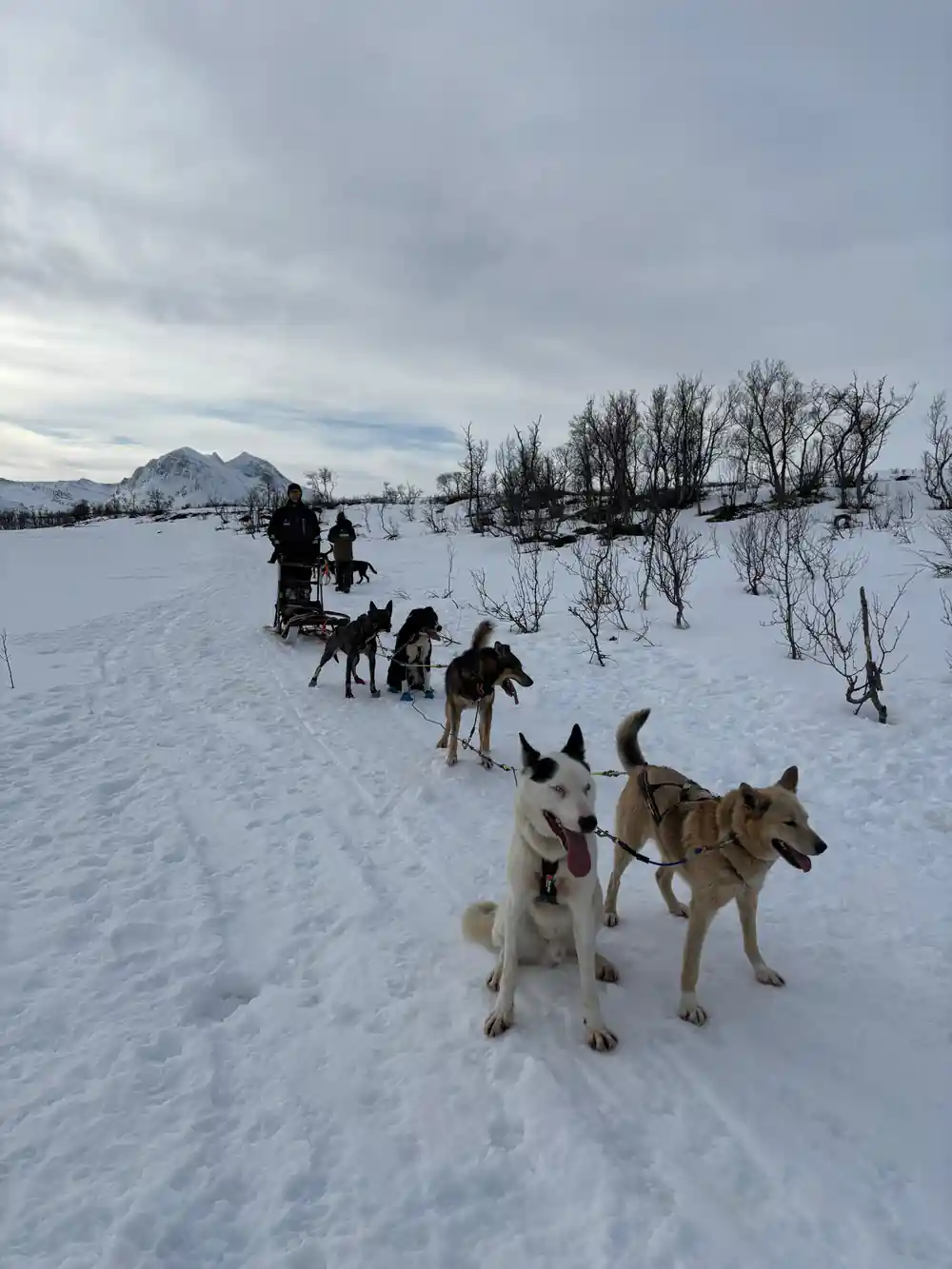
Watch the start of a run and you usually get your answer. Dogs that are fit and keen bark, leap and lean into the harness when the gangline is clipped in. That eagerness is hard to fake across a whole team, day after day. It is also not a licence to crowd them. Dogs at rest, older dogs and puppies need quiet, and a kennel that lets visitors wander freely through a yard at feeding time is not doing the dogs any favours.
The etiquette is simple. Ask before you touch a dog. Let it come to you, offer the back of your hand, stroke the chest or shoulder rather than the top of the head, and stop the moment the dog turns away. Keep your face back from a dog's face. Do not feed dogs from your hand or your plate. Wash your hands afterwards, especially before eating. If you are nervous, say so; a good musher will pair you with a calm dog and keep an eye on you.
Children can join the Fun and Easy Dog Sledding Adventure from age 7 if adults are with them,[5] and that rule belongs to that tour rather than all of them. It is worth reading each listing properly before you book. Age limits, duration and the shape of the day vary from one operator to the next, and the kennel you visit is the one that decides how its dogs are kept.
Traveller ratings for the three husky tours
Husky tour prices at a glance
From prices in US dollars from the GetYourGuide listings for these three husky tours.[2][3][4]
When to book your husky day
Checking kennel welfare
Read the dogs first
Coats, weight, eyes and how dogs greet a stranger say more than any sign on the gate.
Ask who the vet is
Regular vet visits, vaccination records and a plan for injured or retired dogs are basic housekeeping, not extras.
Check rest and rotation
Find out how many days a week the dogs work and whether teams are swapped so no dog runs every trip.
Look at the yard
Clean runs, dry bedding, unfrozen water and shelter from wind are things you can see in a two minute walk.
Watch the handling
Calm voices, gentle leads and dogs that lean in towards staff are good signs. Shouting and yanking are not.
Ask about retirement
Where do the older dogs go, and who pays for them? A kennel with a clear answer is usually worth booking with.
Meet the dogs on a self-drive husky day out of Tromsø
from US$351Reserve now & pay later