The main points
- Kvaløya begins less than 5 km from central Tromsø, and the Self-Drive Husky Dog Sledding Adventure runs there with bus transfers.[36][37]
- The dog sledding season in Northern Norway typically runs from December to March, depending on snow conditions.[38]
- The average winter temperature in Tromsø is around −4°C; plan for standing still on the runners.[39]
- The self-drive tour is rated 4.91 from 4,408 reviews, from US$351, with free cancellation up to 24 hours in advance.[37]
- Finnmarksløpet is the longest dog-sled race in Europe, and long-distance mushing is still a living winter sport in the north.[40]
- Top choice Self-Drive Husky Adventure from US$351 Duration4 hours[37]Rating4.91 from 4,408 reviews[37]GuideInstructor: English[37]CancellationFree cancellation[37] Check availability
- Husky Sled Self-Drive from US$355 Duration4 hours[41]Rating4.86 from 2,050 reviews[41]GuideLive tour guide: English[41]CancellationFree cancellation[41] See this tour
- Fun and Easy Dog Sledding from US$305 Duration4.5 hours[42]Rating4.88 from 2,077 reviews[42]GuideLive tour guide: English[42]CancellationFree cancellation[42] See this tour
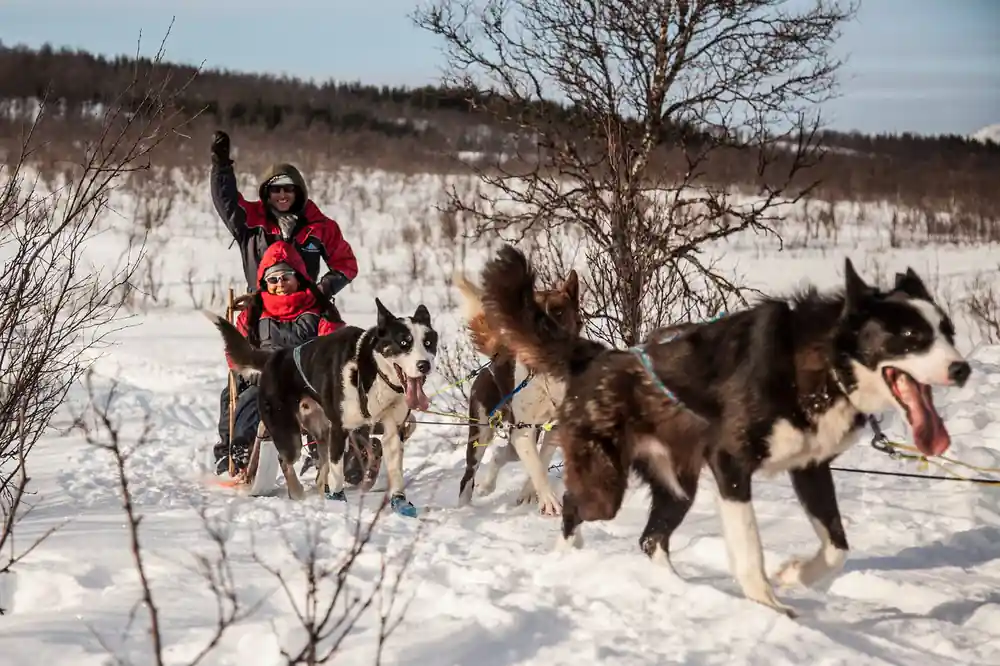
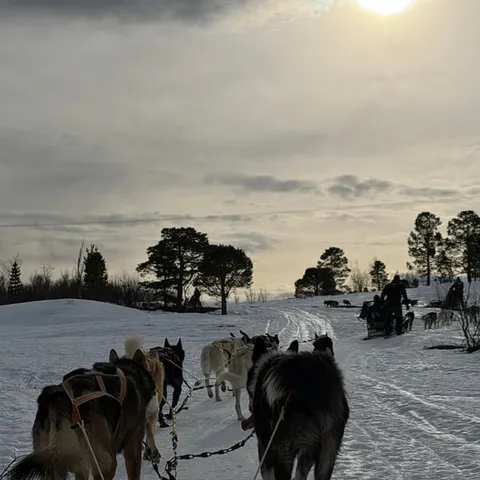
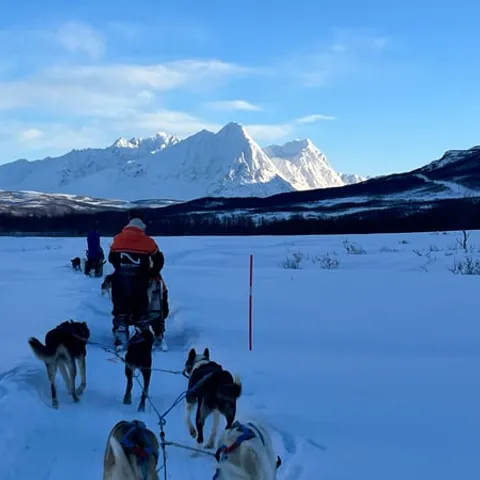
We are a Sámi reindeer-herding family in Tromsø and have lived and worked with reindeer for many generations.
Worth booking: the self-drive husky day on Kvaløya
Check before booking
- Dog sledding season in Northern Norway typically runs from December to March.[38]
- Average winter temperature in Tromsø is around −4°C; dress in warm layers.[39]
- Children from age 7 with adults can join the Fun and Easy Dog Sledding tour.[43]
- Midwinter light is short; plan your outdoor hours around the middle of the day.
Kvaløya, the Wilderness at the Edge of the City
Kvaløya begins at the far end of the Sandnessund Bridge, less than 5 km from central Tromsø.[36] That short hop is the point: you can leave a hotel after breakfast, cross the sound, and be standing beside a dog team on snow before the light has fully arrived. The island itself is big, with fjord arms, small harbours on the outer coast and valleys that keep their snow when the town below has turned grey and wet.
The old question of Tromsø, what to see around it, and how to fill a short winter trip, tends to answer itself out here: beaches facing the open sea, viewpoints above the strait, quiet roads where the only traffic is a sled team and the van that follows it. Further inland, the Tromsø Ice Domes sit 95 km from Tromsø, hidden deep in the heart of Tamok Valley.[45] Tromsø polar bears live with the drift ice far to the north rather than on this coast, and the animals you meet on a trail near town wear harnesses, not fur coats built for swimming.
Winter sets the terms. The average winter temperature in Tromsø is around −4°C, cold enough for snow to settle and mild enough that layers beat bulk.[39] The dog sledding season in Northern Norway typically runs from December to March, depending on snow conditions.[38] Plan your days around daylight rather than the clock.
Why Sled Dogs Were Essential to Arctic Survival
Before roads, tunnels and ferries knitted the north together, winter was the season that made travel possible. Sea ice, frozen lakes and firm snow turned mountains and water into something closer to a highway, and the teams that ran those routes were working animals rather than pets. Mail went out, supplies came in, and a household that could not move once the snow lay deep was a household in trouble.
Dog teams hauled freight through deep, unbroken snow, in cold that stopped engines, for trappers, traders, missionaries and surveyors who needed drivers that knew where the ice was thin. Teams were put together for a job, and a driver's reputation rested on arriving with the load intact. The work was steady and unglamorous, and it decided whether an outlying settlement stayed in touch with the coast or vanished from the map until spring.
That practical history is the root of the mushing culture visitors meet today. Dogs were bred for stamina, fed carefully and known individually by the people who ran them. Beside a team on Kvaløya you are looking at animals chosen for the same qualities a freight driver needed: willingness, endurance and the sense to keep going when the weather turns.
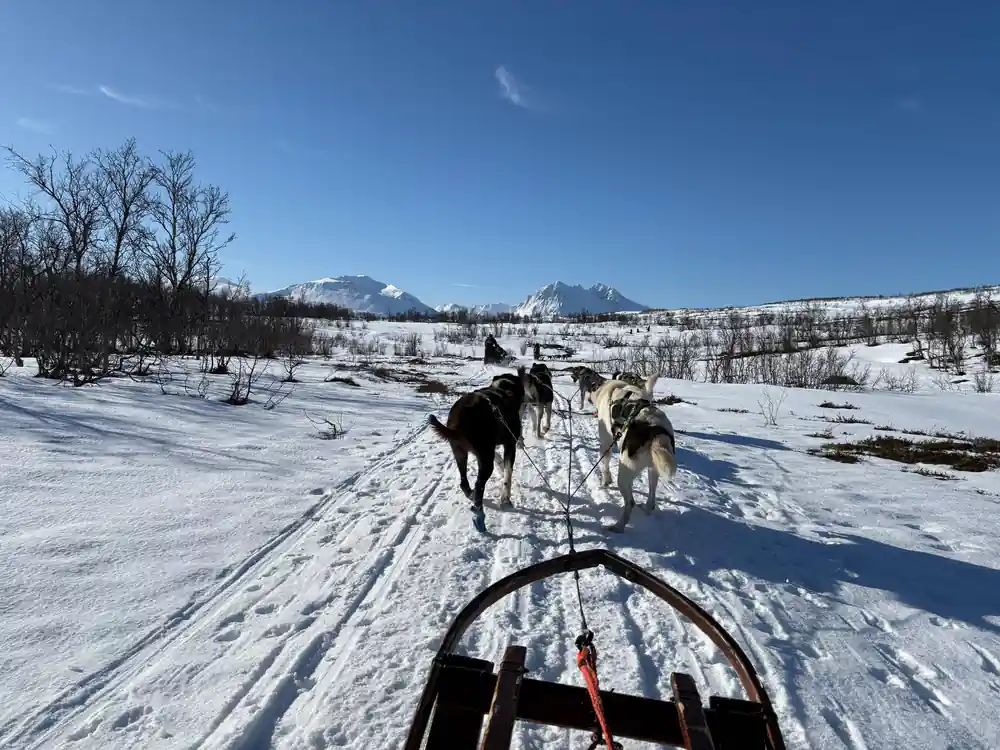
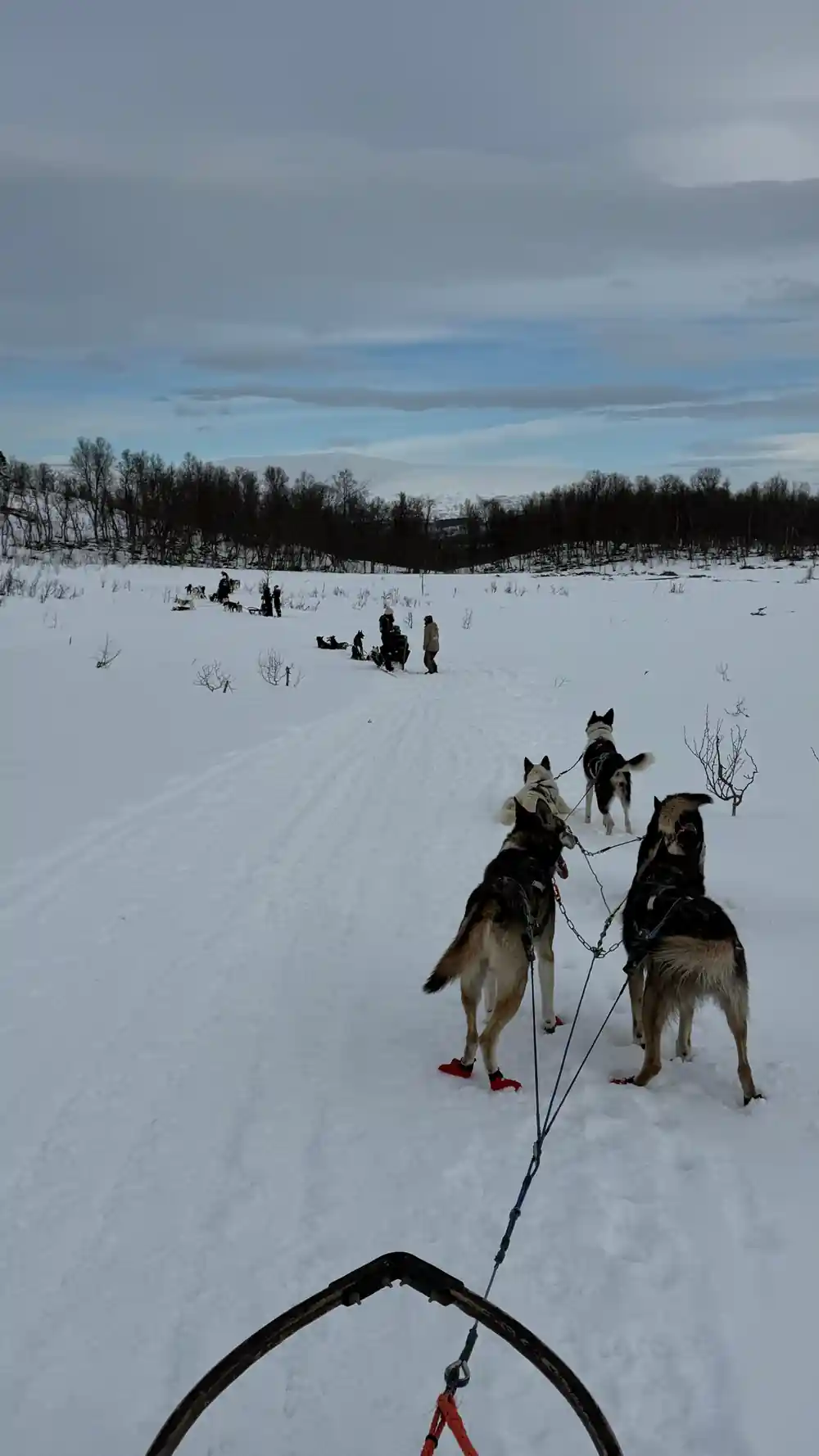
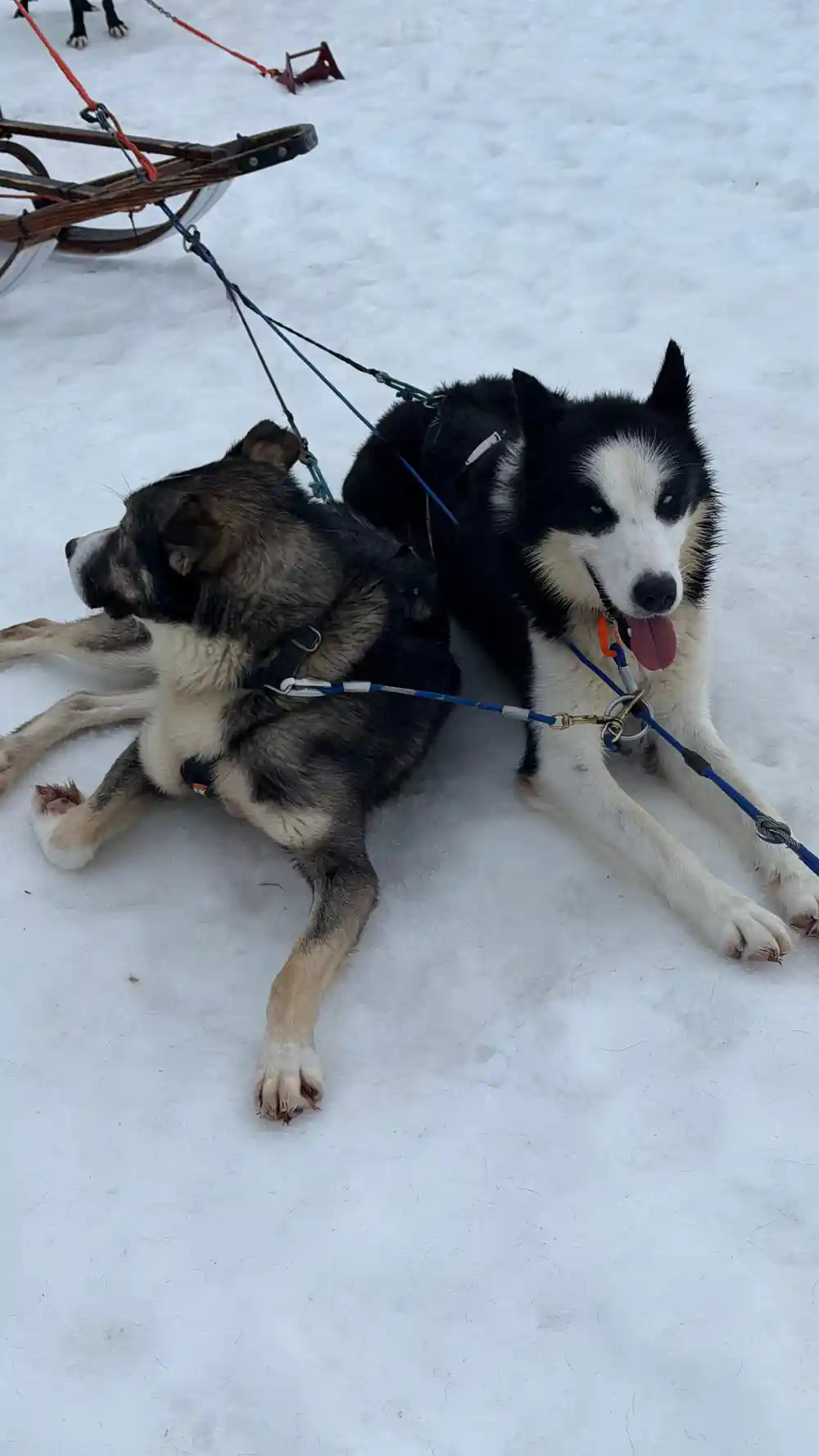
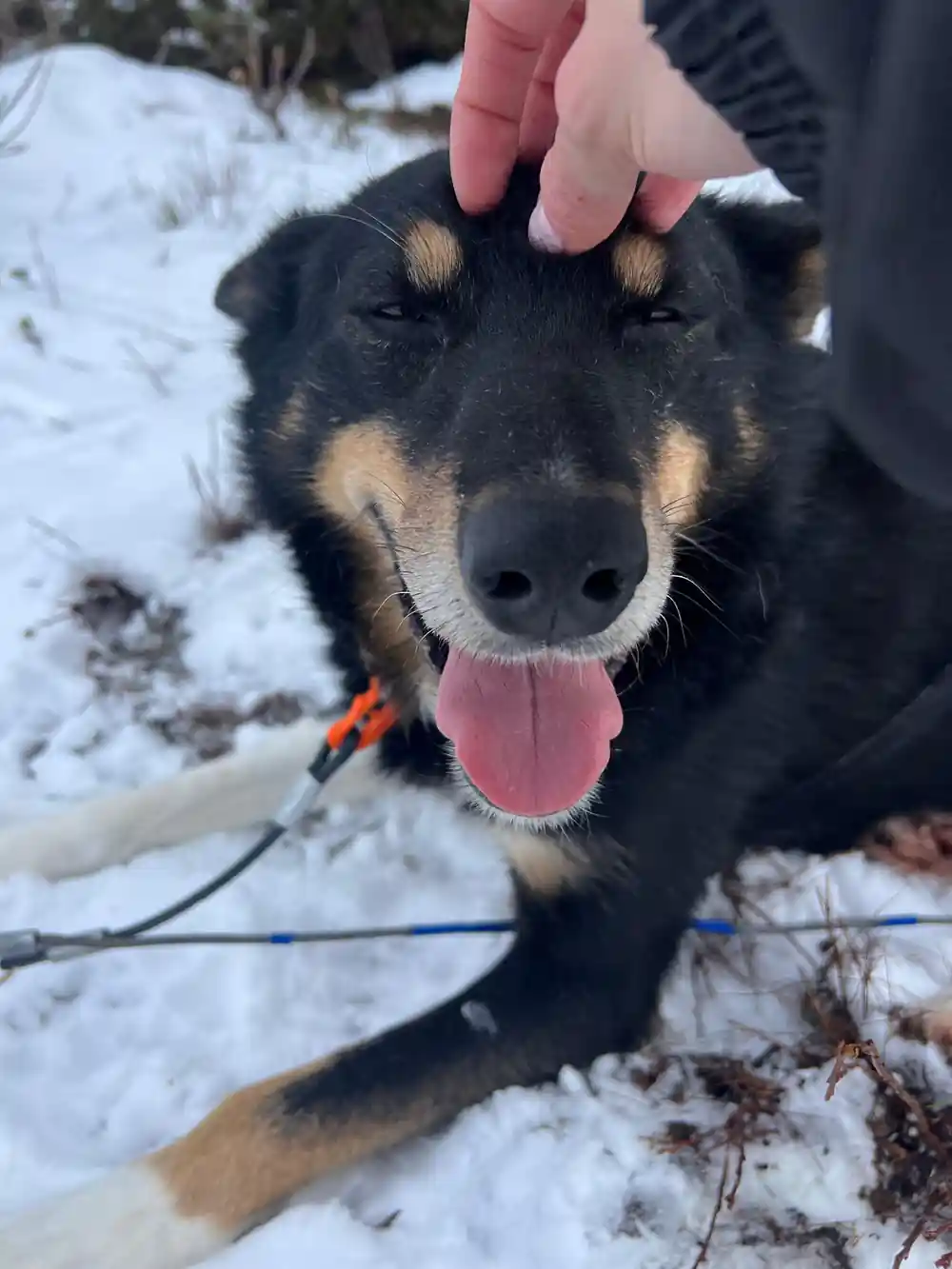
A dog team in harness on fresh snow, waiting for the word to run.
The Polar Explorers Who Depended on Dogs
Explorers borrowed northern knowledge and carried it onto the ice. Fridtjof Nansen, Roald Amundsen and others built their polar plans around dog teams, learning from Sámi and Norwegian drivers how to travel light over snow. The dogs pulled the sledges; the drivers' skill decided how much of the expedition reached its goal and how much of it came home. The lessons travelled back north too, feeding into the kennels and working methods that northern drivers still use.
Tromsø was part of that story. Ships left this harbour for the Arctic with dogs, sledges and provisions, and the town's collections grew out of those departures. For the longer version of what you see on the trail, the Tromsø Polar Museum is a good slow afternoon, with sledges, equipment and the record of expeditions that began or ended in this port.
Later technology changed the arithmetic. Aircraft, radio and engines took over freight and rescue work, and long expeditions stopped depending on dogs for daily survival. What did not change is how useful a trained team remains in deep snow and hard cold, and the respect northern communities still hold for the animals that did the work first.
The Commands That Shaped Arctic Travel
A sled dog is not driven with reins. The commands are spoken, and a team learns them through repetition, tone and reward. The words differ between kennels and countries, but the pattern is familiar: one sound to go, one to slow or stop, and two more for left and right.
Good drivers talk the whole way. They praise, correct and steady the team through the first loud stretch of trail and the tired last stretch of it, and they give a turn command early rather than at the bend. A steady, cheerful voice does more than a loud one, especially with dogs that have heard it all before. Dogs at the front of the line read the track as much as they listen to the person behind them.
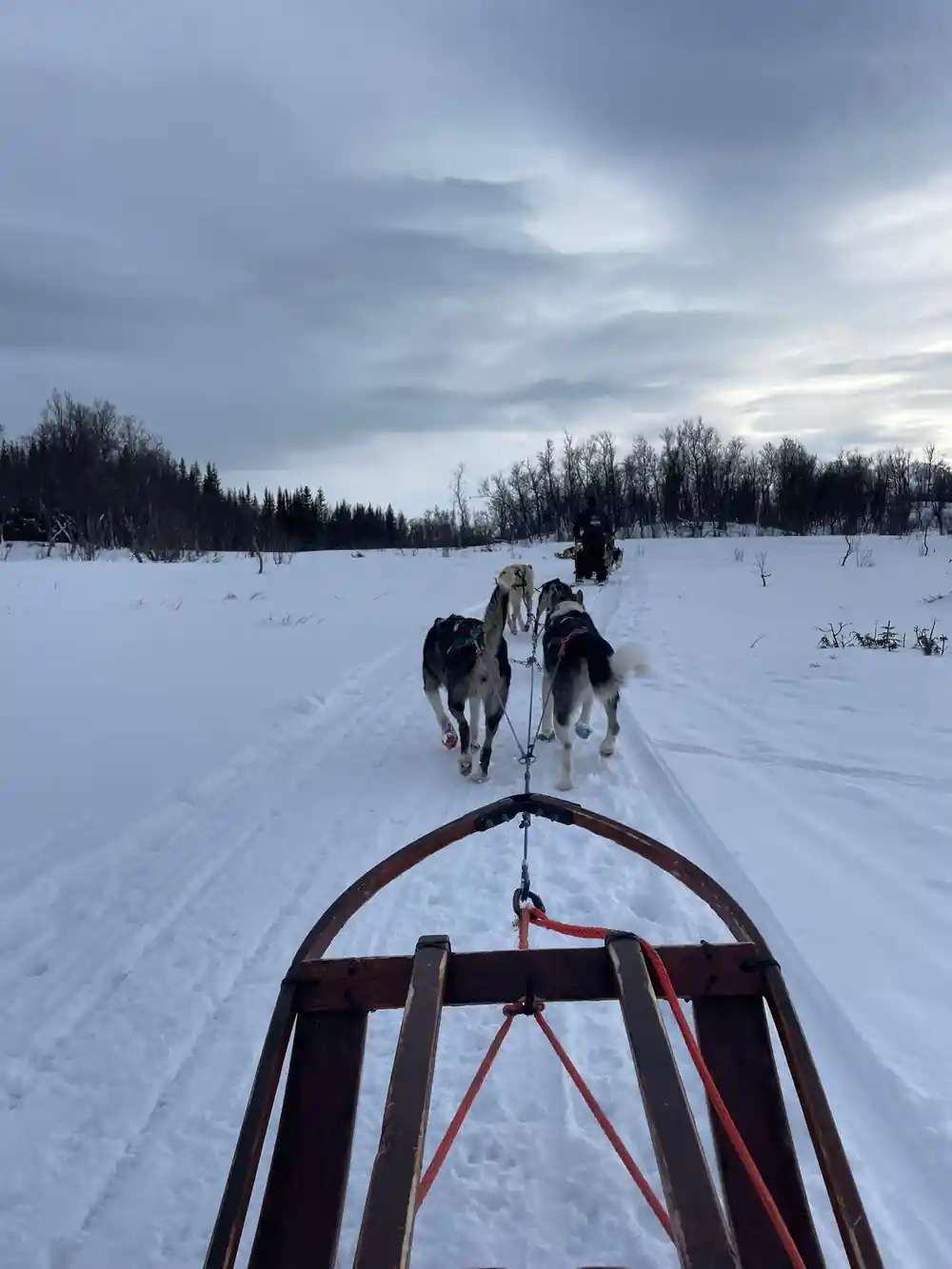
A self-drive tour hands this to you. You stand on the runners, hold the handlebar and use the small vocabulary the guides give you before the team is released. Most people are surprised by how quickly the words become instinct, and by how much of the day belongs to the dog in front rather than the person behind.
from US$351
Self-drive husky sledding on Kvaløya: 4 hours, an instructor who speaks English, and a rating of 4.91 from 4,408 reviews.[37]
Norway's Long-Distance Sledding Traditions
Norway keeps the long-distance side of the sport alive. Finnmarksløpet is the longest dog-sled race in Europe, run across the northern plateau in winter, with mushers and teams facing days of cold, dark and distance.[40] The old freight routes have not disappeared; they have become a test of stamina for drivers and dogs.
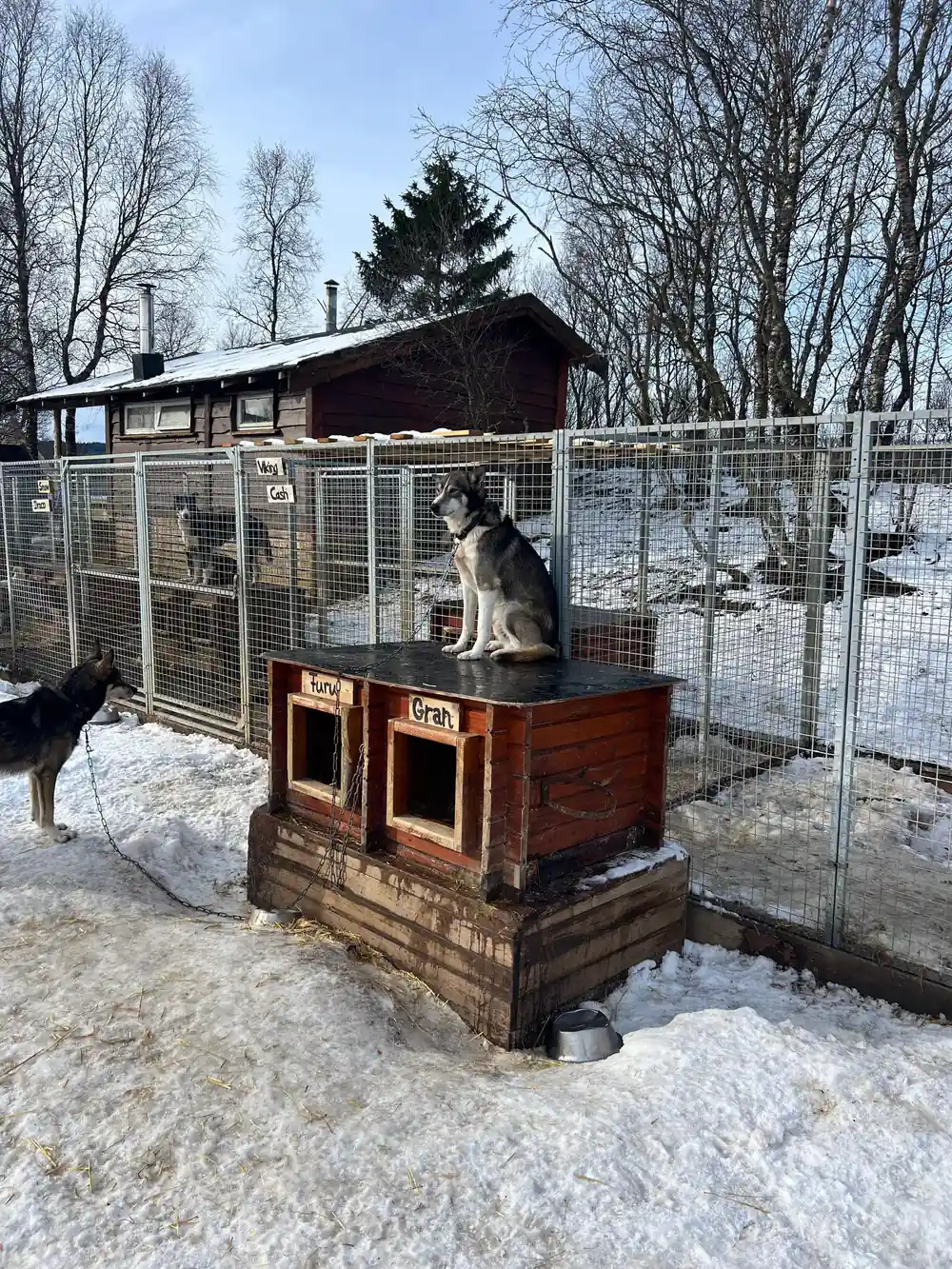
Breeding followed the same path. At Holmen Husky Lodge, the family has raised and raced Alaskan Huskies bred for endurance, resilience and heart for over three decades and through two generations.[46] Working kennels keep those lines, placing dogs by temperament and reading character as closely as they read speed.
For a visitor the tradition shows up in small things: the way a handler moves through a yard, the way a dog leans into a harness, the neat order in which a team is hooked up. Racing is the loud end of the culture. The quiet end is a working kennel on a winter morning, with dogs waiting and one decision to make about which of them run first. Ask questions while you are there; most handlers will happily talk dogs all day.
How Reindeer Herding Differs from Dog Sledding
Dog sledding and reindeer herding are neighbours in the north, and they are not the same thing. Near Tromsø, Sámi reindeer herding culture is represented by a Sámi reindeer-herding family that has lived and worked with reindeer for many generations.[47] Their year is decided by pasture, weather and the movement of the herd, not by a tour schedule.
A reindeer herding dog works inside that year, helping to move and hold a herd at the pace of the animals it is moving, close in, steady and under control. A sled dog works in a line, in harness, at the pace of the team. Two different partnerships, one built around gathering and the other around pulling.
The two experiences answer different questions. A reindeer visit is about culture, feeding, story and the practical work of a herding family. A self-drive sled tour is about handling, speed and the strange, brilliant feeling of steering a team. If your trip has room for both, take both. Both are working animals, and both reward a slow, patient hour over a rushed one.
The Striking Silence of the Arctic Trail
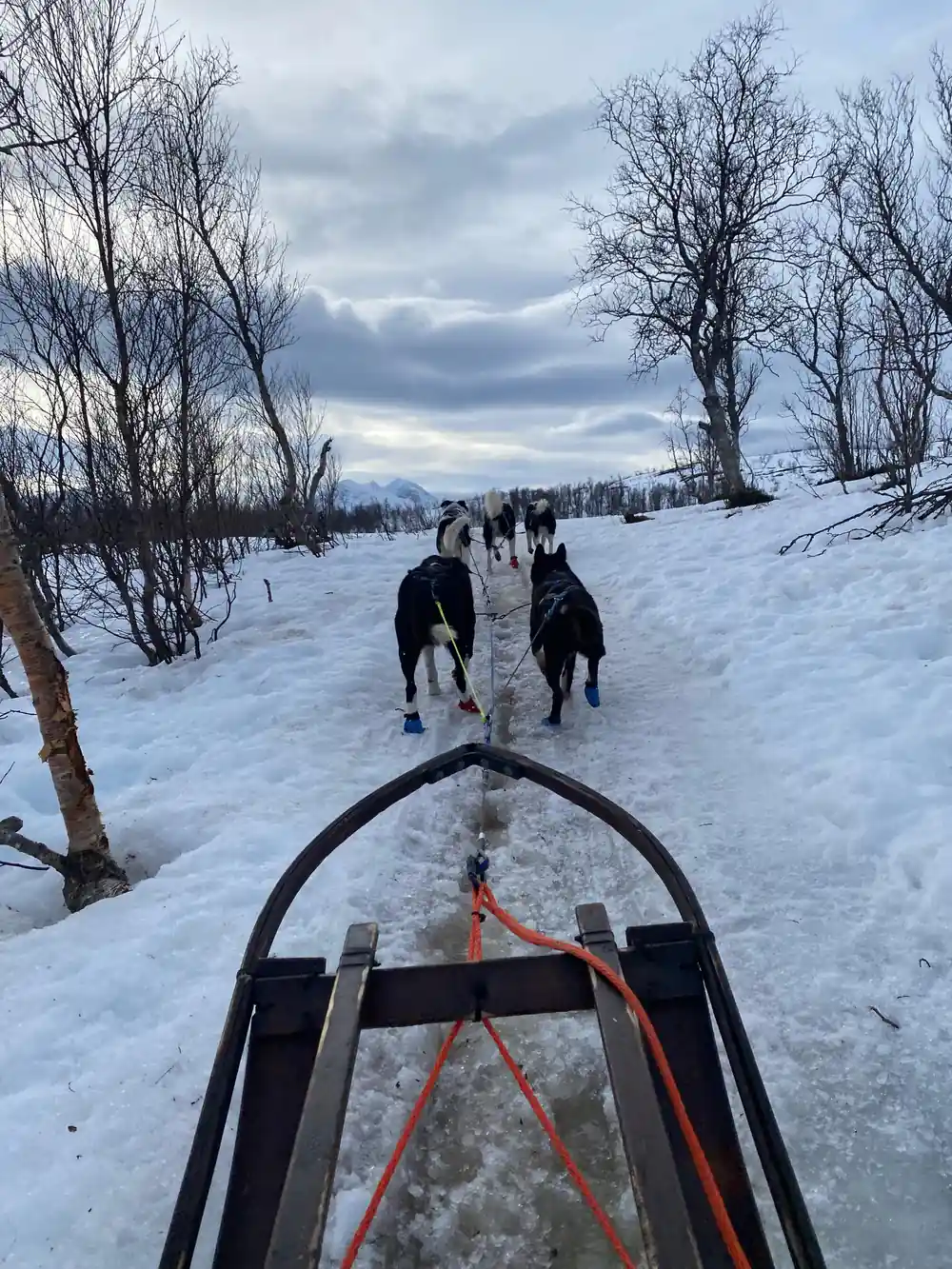
The silence arrives from nowhere. Near the kennel there is barking, an engine and the shuffle of paws on packed snow, and then the team turns into the trees, the road drops behind a ridge, and the trail goes quiet except for the breathing of dogs and the hiss of runners.
The sky is the other half of it. The Northern Lights season in Tromsø runs from late August to early April, though not all months are equal.[48] In deep winter, the Polar Night season in Tromsø begins on November 27th and lasts until January 15th each year, which leaves long blue hours of twilight around the middle of the day.[49]
Dress for standing still rather than walking: insulated boots with room for your toes, mittens rather than gloves, a hat over your ears and a windproof shell over wool. A neck gaiter helps more than a loose scarf when the wind picks up on open ground. Keep a spare pair of gloves and your phone in an inside pocket where the battery stays warm, and stow the camera somewhere you can reach it without letting go of the handlebar.
Dog sledding tours around Tromsø, from-prices
Every bar is a GetYourGuide from-price:[37][41][42][50][51].
Compare from-prices for a husky day
From-prices are US dollar figures from GetYourGuide listings[37][41][42][51].
When to come for what
How a sled day works
Meet the team
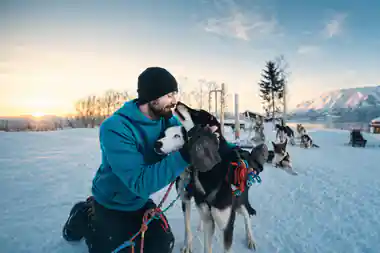
Handlers introduce the dogs, show you how a harness sits and match you with a sled and a partner if you are sharing.
Learn the commands
You practise the words for go, slow, left and right, and get a feel for the brake and the handlebar before the team is hooked up.
Drive the trail
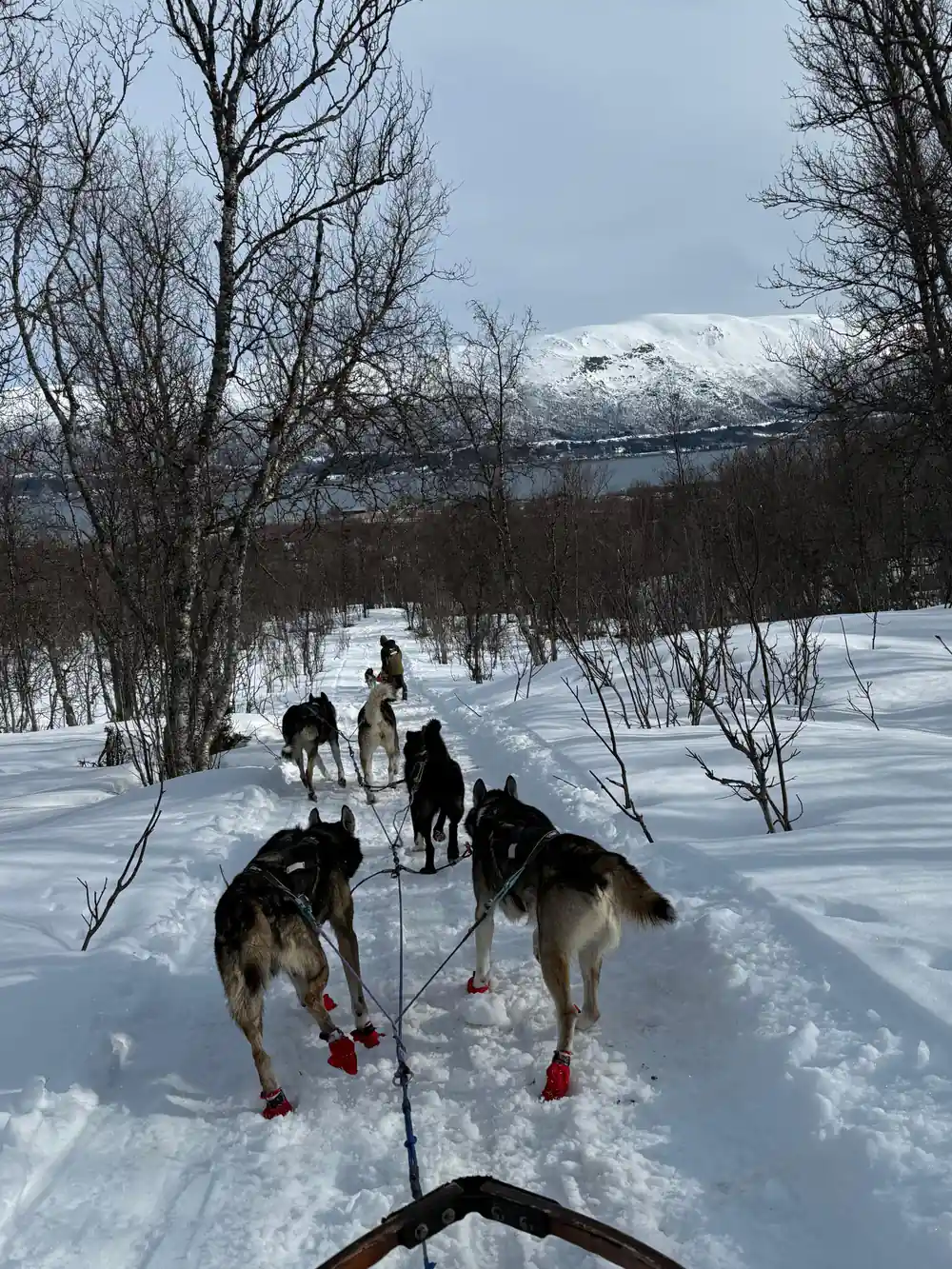
You stand on the runners while the dogs pull, taking the bends at a steady pace and stopping when the guide signals.
Swap and share
On shared sleds, drivers swap places partway so everyone gets time on the runners, with a passenger seat in between.
Back at the kennel
Dogs are unhooked, watered and praised, and you get a chance to thank the team that just hauled you across the snow.
Take the runners on Kvaløya behind your own dog team
from US$351Reserve now & pay later