Die Hauptpunkte
- Tromso war ein Versorgungshafen für eisgebundene Expeditionen, und Schlittenhunde wurden hier gekauft, ausgebildet und nach Norden verschifft, oft ohne jemals wieder über die Gangway zurückzukehren.
- Die Hundeschlitten-Saison in Nordnorwegen läuft je nach Schneeverhältnissen normalerweise von Dezember bis März.[16]
- Das Selbstfahr-Hundeschlitten-Abenteuer von Tromso dauert 4 Stunden, beginnt bei 351 US$ und hat eine Bewertung von 4,91 aus 4.408 Bewertungen.[17]
- Arbeitszwingers halten Alaskan Huskies, die auf Ausdauer, Widerstandskraft und Herz gezüchtet wurden, eine Linie, die eine Lodge-Familie seit über drei Jahrzehnten und zwei Generationen hält.[18]
- Polar Night in Tromso läuft vom 27. November bis 15. Januar, und die Nordlichter-Saison läuft von Ende August bis Anfang April.[19][20]
- Top-Auswahl Selbstfahrer-Husky-Abenteuer ab 351 US$ Dauer4 Stunden[17]Bewertung4,91 aus 4.408 Bewertungen[17]ReiseleiterGuide: Englisch[17]StornierungKostenlose Stornierung, 24 Stunden im Voraus[17] Verfügbarkeit prüfen
- Husky Selbstfahr-Tour mit Mittagessen ab 355 US$ Dauer4 Stunden[21]Bewertung4,86 aus 2.050 Bewertungen[21]ReiseleiterLive-Tourguide: Englisch[21]StornierungKostenlose Stornierung, 24 Stunden im Voraus[21] Diese Tour ansehen
- Spaßiges und einfaches Hundeschlittenfahren ab 305 US$ Dauer4,5 Stunden[22]Bewertung4,88 aus 2.077 Bewertungen[22]ReiseleiterLive-Tourguide: Englisch[22]StornierungKostenlose Stornierung, 24 Stunden im Voraus[22] Diese Tour ansehen
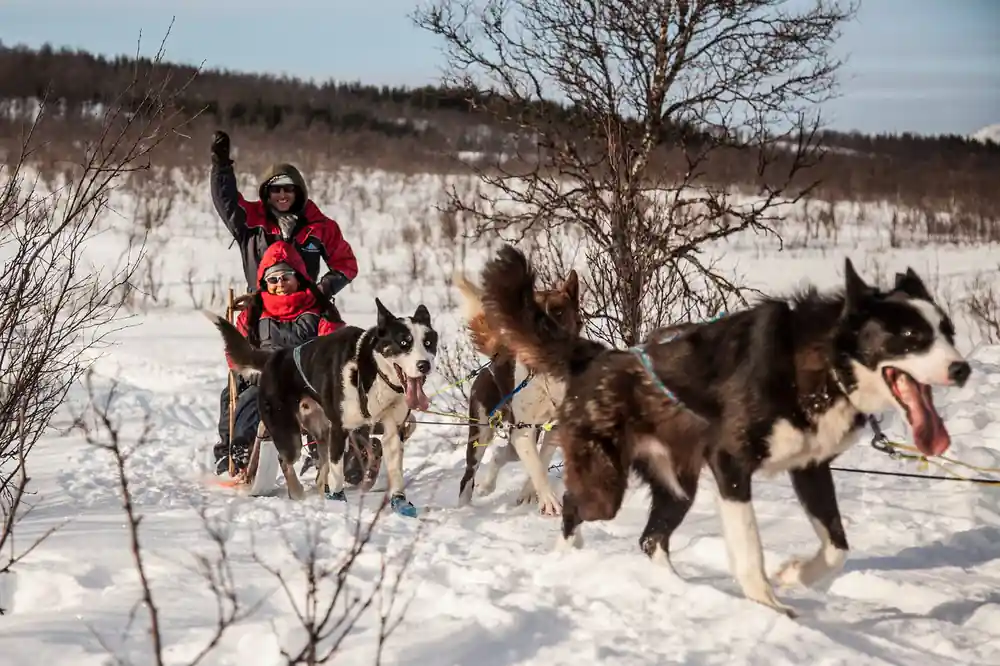
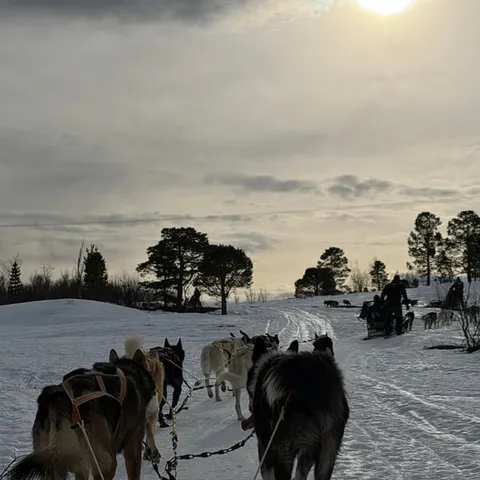
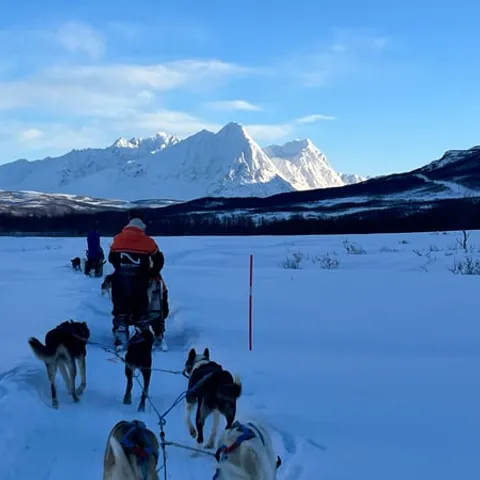
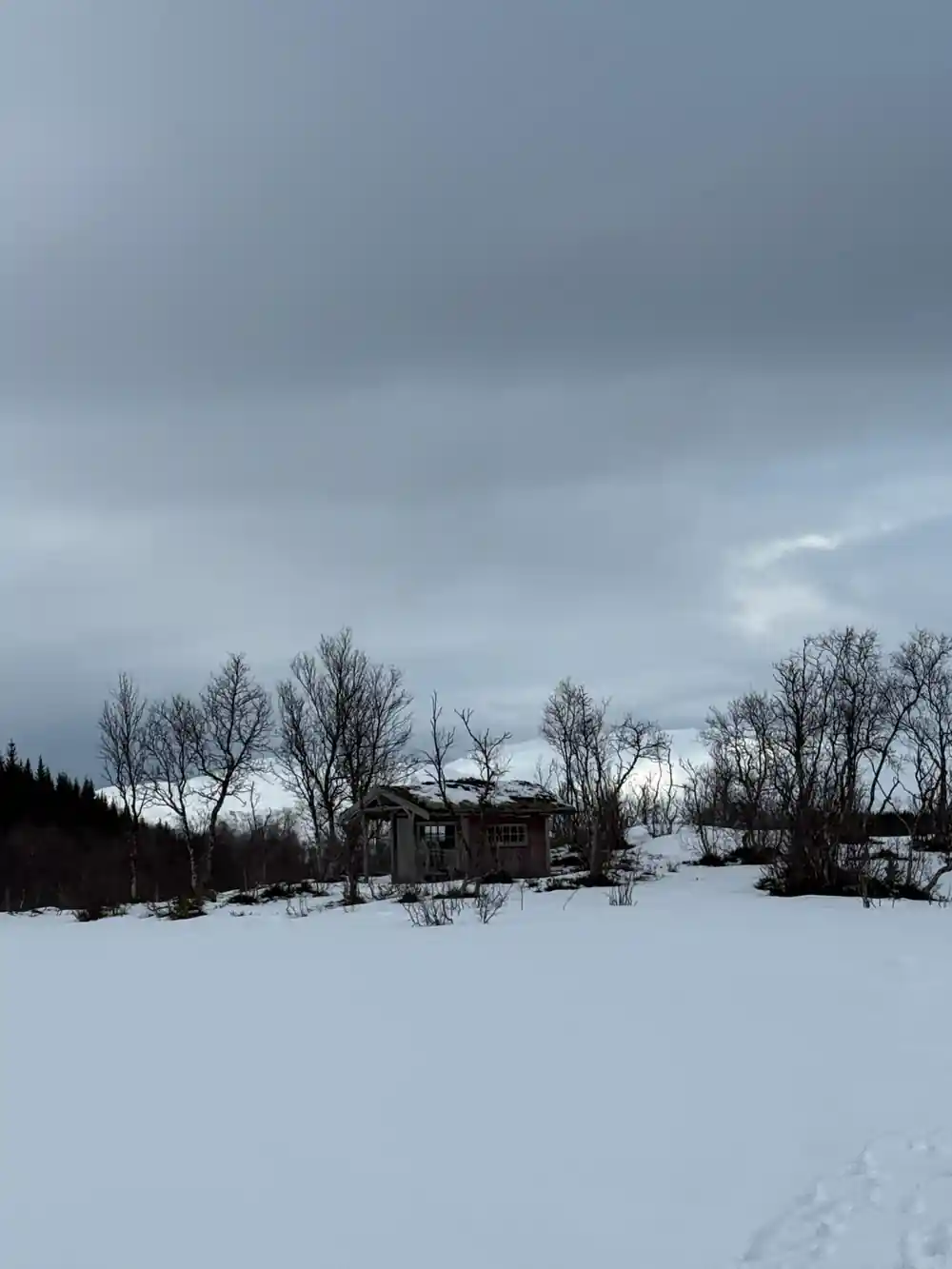
Nur 95 km von Tromsø entfernt, tief im Herzen des Tamok-Tals verborgen, liegt ein schneebedecktes Wunderland, das es zu erkunden gilt.
Es lohnt sich für die arbeitenden Hunde
Anziehen und mitnehmen
- Thermische Basisschichten, Wollsocken und eine winddichte Jacke darüber
- Sonnenbrille gegen den Glanz auf dem Schnee und eine Stirnlampe für dunkle Nachmittage
- Warme Handschuhe, mit denen Sie einen Schlittenlenker greifen können, plus ein Ersatzpaar
- Balaclava oder Schal, weil Wind auf offenem Schnee beißt
Vor dem Buchen prüfen
- Zwinger liegen meist außerhalb der Stadt, und Touren beinhalten normalerweise den Transfer
- Einen ganzen Vormittag oder Nachmittag einplanen, anstatt es zwischen andere Pläne zu quetschen
- Kleine Gruppenabfahrten sind schnell ausgebucht, daher buchen Sie Ihr Datum frühzeitig
- Die aufgelisteten Preise sind Preise ab, in US-Dollar, keine festen Gesamtbeträge
Warum Tromso eine Schlittenhundestadt wurde
Tromso liegt auf einer Insel inmitten eines Fjordsystems, mit offener See im Westen und Bergen im Hintergrund. Tiefes Wasser und ein geschützter Sund gaben Schiffen einen Liegeplatz. Diese Geografie machte die Stadt zu einem natürlichen letzten Halt vor dem Eis. Schiffe konnten hier laden, die Mannschaft konnte sich ausruhen, und Versorgungsgüter, die weiter nördlich nie zu finden gewesen wären, konnten am Kai gekauft werden. Schlittenhunde waren Teil dieses Handels. Sie kamen per Boot, arbeiteten im Schnee um die Stadt und verließen sie wieder mit den Expeditionen, die sie brauchten. Für eine kleine Holztadt mit einem guten Hafen war das eine überproportionale Rolle.
Gehen Sie heute den Hafen entlang und Sie werden keine Hundekisten auf dem Kai gestapelt sehen, aber die Form des Ortes hat sich nicht verändert. Kvaloya, die Insel an der Westseite der Stadt, beginnt dort, wo die Sandnessund-Brücke endet, weniger als 5 km vom Zentrum von Tromso entfernt.[23] Diese kurze Fahrt bringt verschneites, offenes Land innerhalb der Reichweite eines Hotelfrühstücks. Ein Städtetrip in Tromso kann in einen Morgen auf den Läufern werden, ohne eine lange Fahrt oder einen Inlandsflug. Die Zwinger dort draußen halten die Arbeitseite der Stadt sichtbar, egal ob gerade ein Expeditionsschiff im Hafen liegt oder nicht.
Die Hunde, die mit polarischen Expeditionsschlittenhundeteams abfuhren
Die Polarexpeditionen des heroischen Zeitalters reisten nicht leicht. Sie schleppten Schlitten, Zelte, Monate lang Essen und Hunde mit, denn ein Hundeteam konnte in tiefer Kälte ohne Treibstoff oder Ersatzteile weiterarbeiten. Tromso war einer der Häfen, an denen solche Teams zusammengestellt, gefüttert und getestet wurden, bevor ein Schiff nach Norden abbog. Die Schiffe, die von hier aufbrachen, waren Arbeitsplätze und keine Kreuzfahrtschiffe, und die Hunde waren Besatzung. Einige der Tiere, die hier an Landungsbrücken hinaufgingen, sind nie wieder hinabgegangen. Sie beendeten ihr Arbeitsleben auf dem Meereis, und das Eis behielt sie.
Der Ausdruck polarische Expeditionsschlittenhundeteams weckt ein ordentliches Bild: Huskies, die sich auf einer weißen Ebene verteilen, Atem, der im Kalten dampft. Die Realität war Logistik. Tiere mussten gekauft, verschifft, auf einer langen Reise gefüttert und einem Schlitten und einem Fahrer zugeteilt werden. Hunde wurden verkauft, geliehen und zwischen den Parteien verliehen, und Händler im Norden standen in der Mitte dieser Kette. Das ist der Grund, warum die Hundegeschichte von Tromso größer ist als sein eigenes Wegenetz. Viele der Tiere, die hier liefen, waren einfach auf dem Durchmarsch auf dem Weg in ein schwierigeres Gebiet.
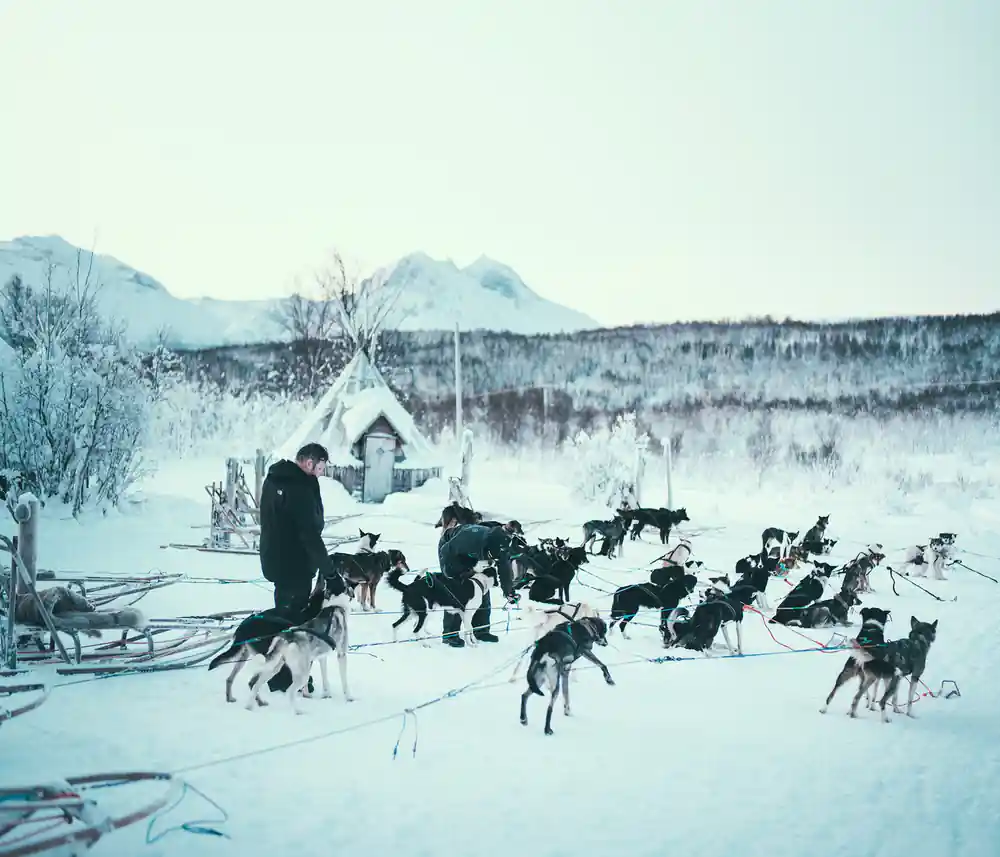
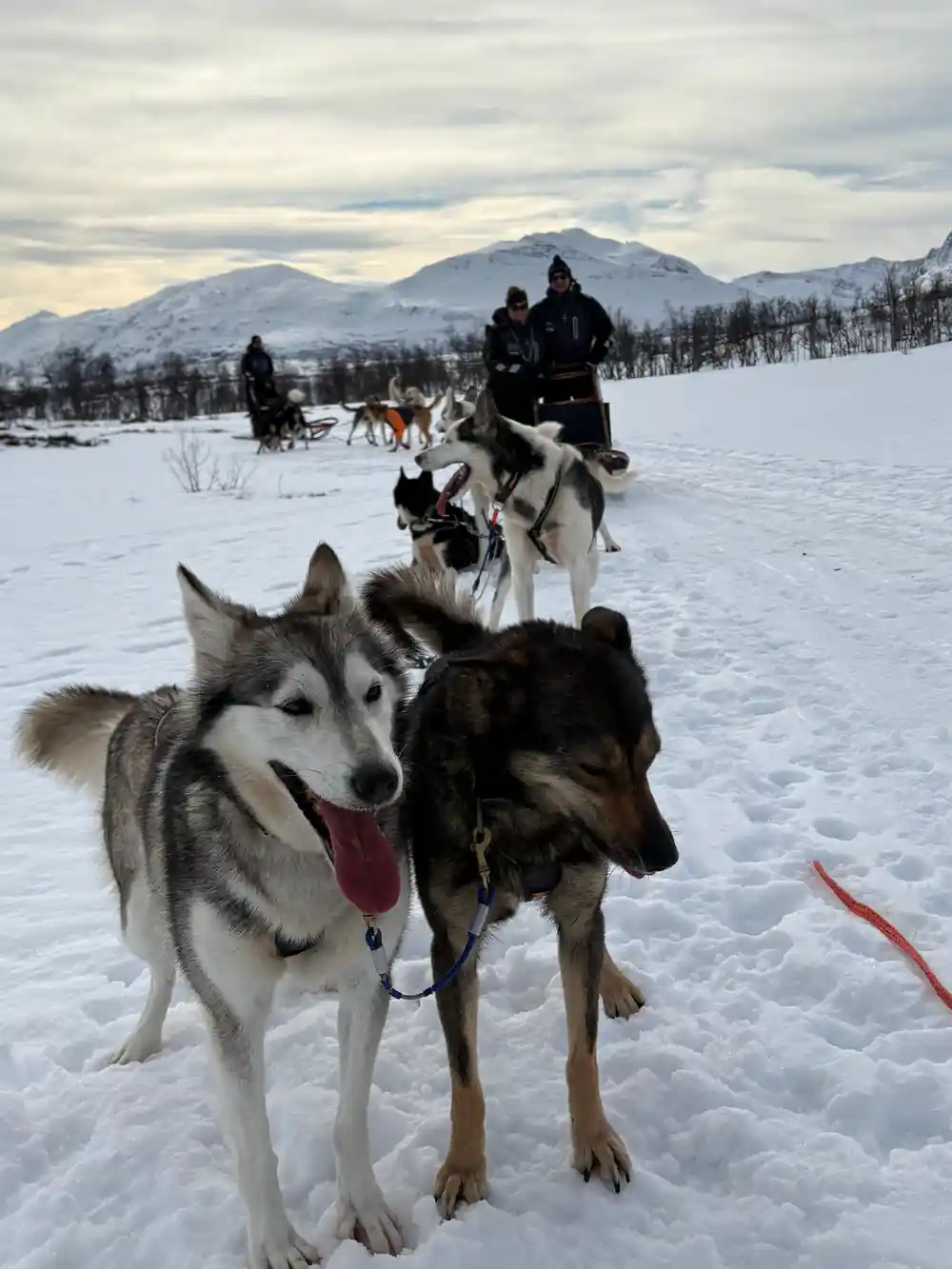
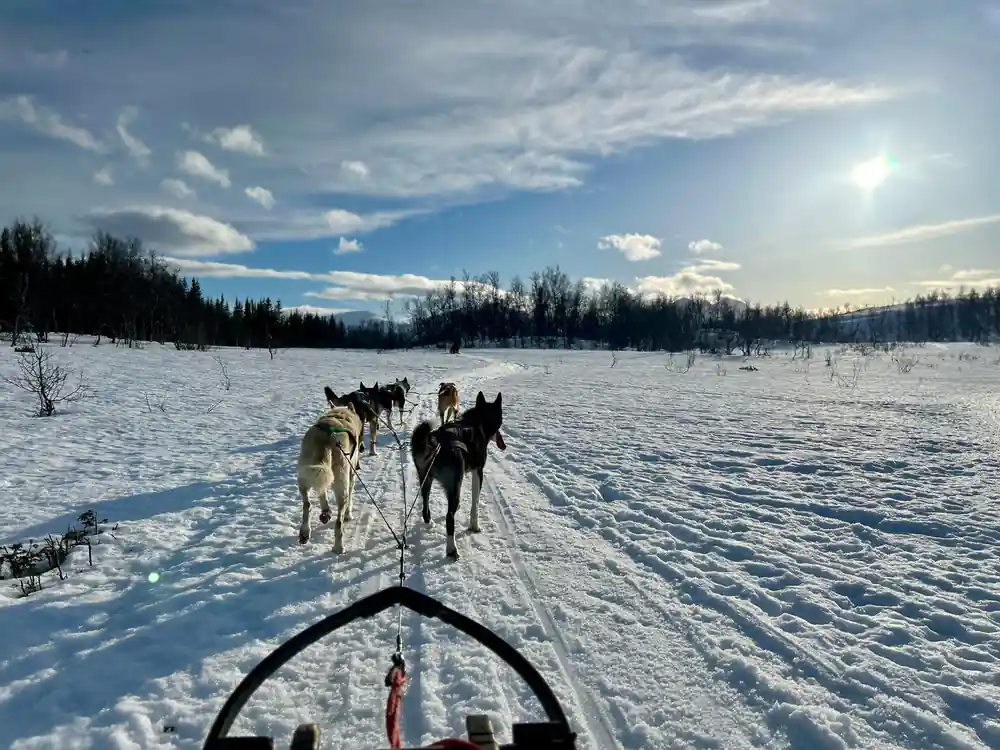
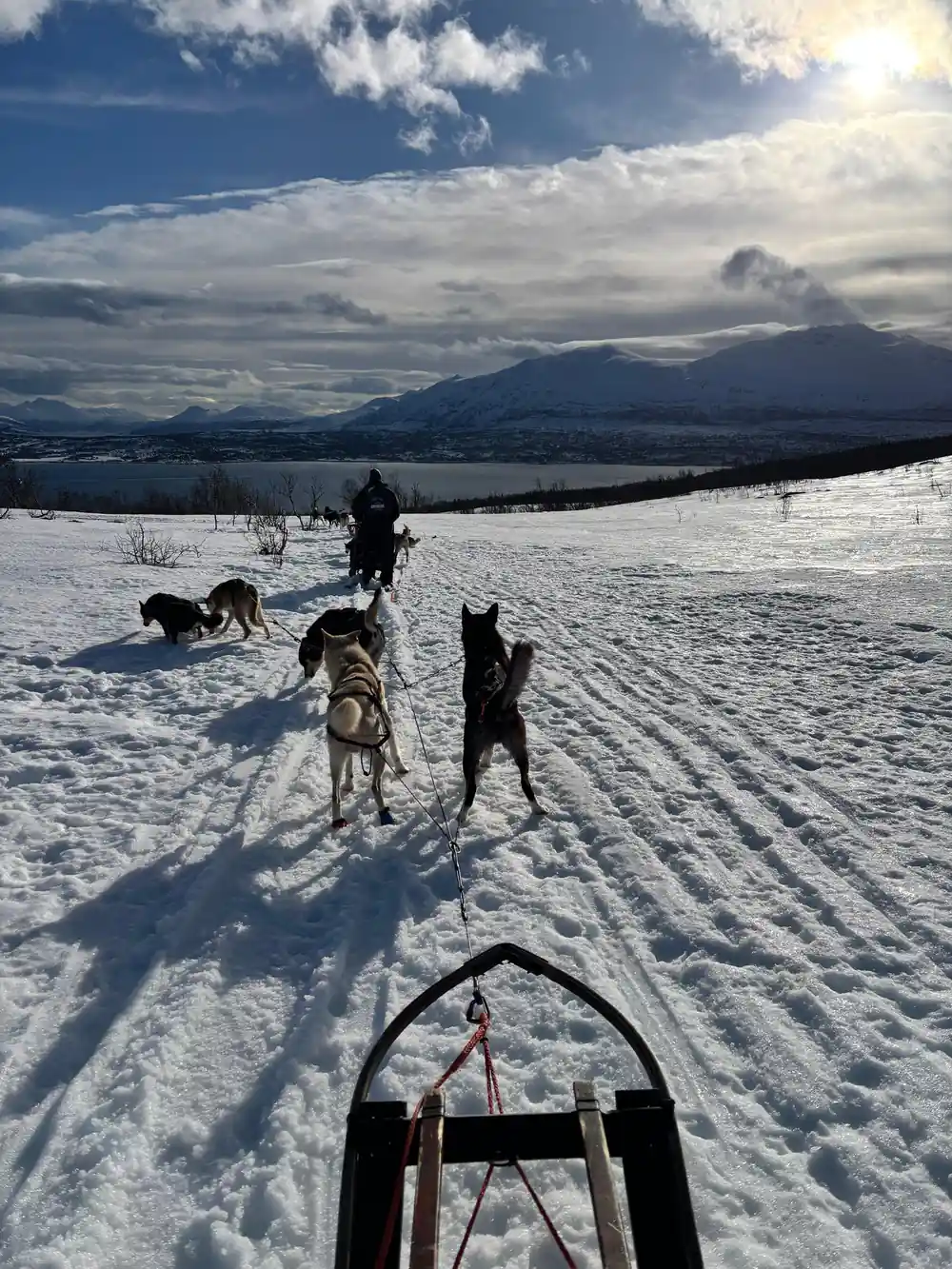
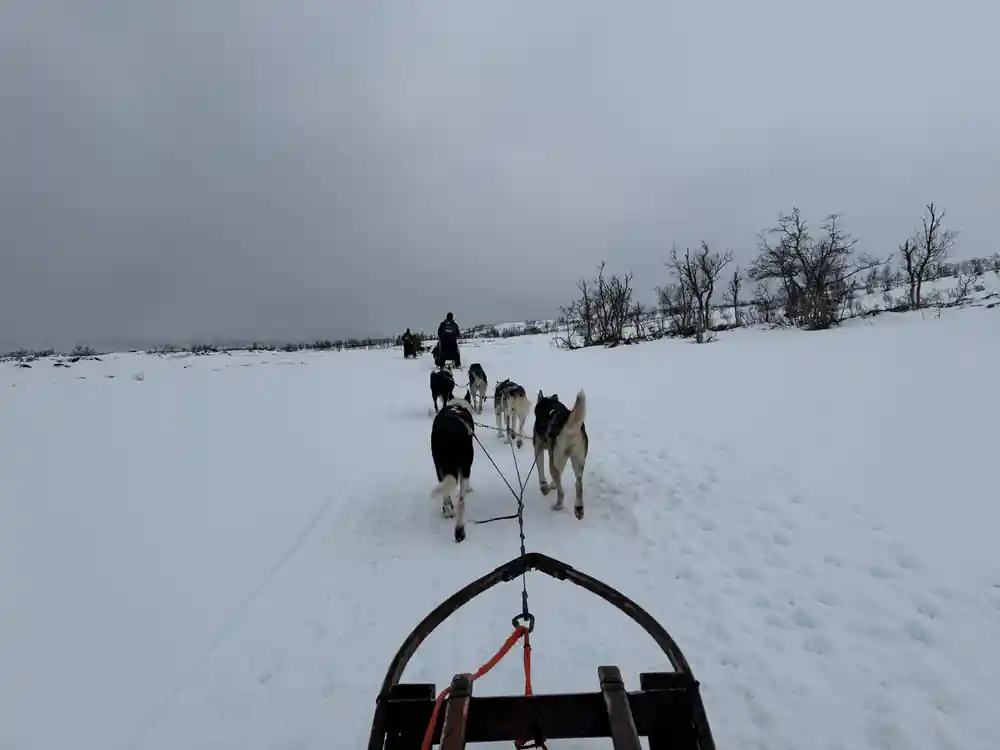
Huskies im Geschirr auf einem verschneiten Pfad außerhalb von Tromso
Grönlandhunde in Tromso und die Linien, die blieben
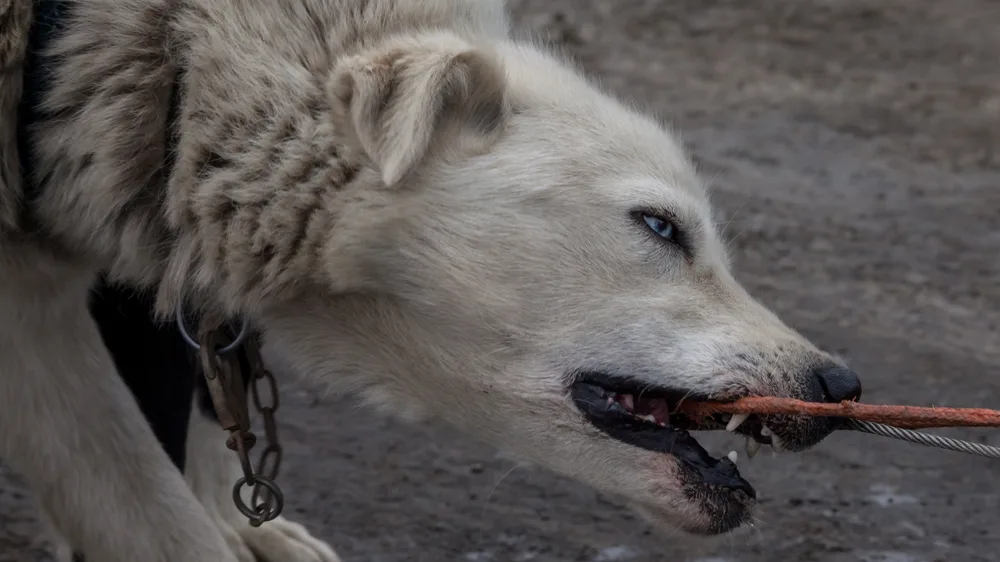
Wenn Leute nach Grönlandhunden in Tromso fragen, meinen sie meistens die schweren, tiefbrüstigen Hunde, die für den Zug von Lasten über das Meereis gezüchtet wurden. Sie sind kompakt und geduldig, gebaut für Kraft statt für Tempo, mit einem Fell, das einen gefrierenden Wind abweist. Die leichteren, schnelleren Hunde, die Sie in modernen Tourenzwinger sehen, stammen aus anderen Linien, die für Geschwindigkeit und Ausdauer über lange Distanzen ausgewählt wurden. Beide Arten gehören zur gleichen Arbeitsidee: ein Tier, das gemeinsam und auf Kommando zieht.
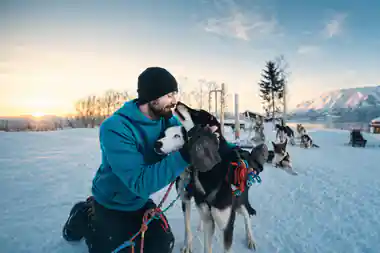
Dieser Unterschied zeigt sich in der Art der Buchung und in der Art, wie ein Team sich bewegt. Eine Familie bei Holmen Husky Lodge hat seit über drei Jahrzehnten und zwei Generationen Alaskan Huskies gezüchtet und gerenniert, die für Ausdauer, Widerstandskraft und Herz gezüchtet wurden.[18] Was Sie in einem arbeitenden Zwinger treffen, ist das Ergebnis einer langen Auswahl: Hunde, die nach Temperament, Appetit und der Bereitschaft ausgewählt wurden, gemeinsam im Zug zu laufen. Hundeführer werden Ihnen sagen, dass ein Team keine Ansammlung von Haustieren ist, und das meinen sie als Kompliment.
Leicht, kalt und Schnee im Tromso-Winter
Der Winter hier ist nicht die extreme Kälte, die man sich vorstellt. Die durchschnittliche Wintertemperatur in Tromso beträgt etwa -4°C.[24] Milde Luft vom Meer hält die Küste durch die kältesten Monate befahrbar. Die Dunkelheit ist eine andere Sache. Die Polarnacht-Saison in Tromso beginnt am 27. November und dauert bis zum 15. Januar jedes Jahr.[19] Während dieser Wochen bleibt die Sonne unter dem Horizont und der Tag ist eine lange blaue Dämmerung, mit Laternen in den Straßen und Stirnlampen auf den Wegen.
Die Schlittenhundeschlitten-Saison in Nordnorwegen dauert in der Regel von Dezember bis März, je nach Schneebedingungen.[16] Die Nordlicht-Saison in Tromso dauert von Ende August bis Anfang April.[20] Die beiden Kalender überschneiden sich in der dunkelsten Phase des Winters. Kalter, trockener Schnee gibt einem Team guten Halt, und schwaches Licht ist leicht für Tiere, die hart arbeiten. Im Sommer kehrt sich das Bild um: Die Mitternachtssonne in Tromso dauert in der Regel von etwa dem 20. Mai bis zum 22. Juli.[25]
ab US$351
Das Selbstfahr-Husky-Hundeschlitten-Abenteuer, gebucht über diese Seite: 4 Stunden ab Tromso, bewertet mit 4,91 aus 4.408 Bewertungen.[17]
Das Rennen, das die alten Fähigkeiten am Leben hält
Langstreckenrennen ist der Ort, an dem die Schlittenhundenkultur scharf bleibt. Finnmarkslopet ist das längste Schlittenhunderennen Europas.[26] Es überquert die Art von Land, die Expeditionsmannschaften einst durchquerten, und viele Menschen, die mit Hunden arbeiten, kamen durch das Rennen in diesen Beruf. Für einen Besucher ist ein Renntag oder die Geschichte eines Mushers das Nächstliegende, um den Handel so zu sehen, wie er wirklich ist: Tiere, Wetter und ein Zeitplan, der für niemanden wartet.
Die alten Fähigkeiten drehen sich nicht nur um Geschwindigkeit. Ein Team füttern, Schnee lesen, bemerken, wenn ein Hund müde wird, eine Zugleine mit tauben Fingern anlegen: das sind tägliche Aufgaben und keine Kunststücke. In einer Tour gehört die Einweisung, die Sie bekommen, bevor Sie auf die Läufer steigen, zu diesem Erbe. Es ist praktisches Wissen, das von einer Saison zur nächsten weitergegeben wird, und so kann ein guter Hundeführer einen nervösen Anfänger hinter einem ruhigen, selbstbewussten Team platzieren.
Wo Sie rund um Tromso noch arbeitende Hunde treffen
Der einfachste Weg, Schlittenhunde hier zu treffen, ist, einen Zwingerbesuch oder eine Fahrt zu buchen. Das Tromso Selbstfahr-Husky-Schlittenhund-Abenteuer dauert 4 Stunden, beginnt ab 351 US$ und ist mit 4,91 von 4.408 Bewertungen bewertet.[17] Sie fahren das Team selbst mit einem Instruktor zur Hand, und der Tag beinhaltet eine Bus- oder Coachfahrt nach Kvaloya und zurück.[17]
Andere Formate existieren, wenn Sie lieber nicht fahren möchten. Einige Touren sind geführt, mit einem Musher, der das Team fährt, während Sie fahren und zuschauen, und andere fahren weiter aus der Stadt hinaus für einen längeren Tag im Schnee. Neben den Huskies sitzen die Rentier-Erlebnisse, die von samischen Wirten durchgeführt werden. In der Nähe von Tromso wird die samische Rentierzuchtkultur von einer samischen Rentierzuchtfamilie vertreten, die seit vielen Generationen mit Rentieren gelebt und gearbeitet hat.[27]
Für einen breiteren Blick auf die Landschaft, in der die Hunde arbeiten, fährt die Seilbahn Fjellheisen auf den Storsteinen, 421 Meter über dem Meeresspiegel.[28] Weiter draußen liegen die Tromso Eisdomen 95 km von Tromso entfernt, im Tamok-Tal.[29]
Wie Sie Ihren eigenen Schlittenhundtag planen
Beginnen Sie mit der Saison und wählen Sie dann die Tour. In den Schneemonaten hängt die Wahl meist zwischen einem Selbstfahr-Abenteuer ab, bei dem Sie auf den Schlitten stehen und lenken, und einer geführten Fahrt ab, bei der jemand anderes das Team betreut, während Sie fahren und zuschauen. Beide Varianten sind in verschiedenen Ausführungen erhältlich, von kurzen Ausflügen in der Nähe der Stadt bis zu längeren Touren, die mit einem warmen Essen enden. Lesen Sie die Beschreibung, um zu erfahren, was an dem Tag tatsächlich passiert, und prüfen Sie, ob der Abholservice von Tromso Stadtmitte im Programm enthalten ist.
Für Familien sollten Sie die Altersregeln klären, bevor Sie buchen. Kinder können an der Fun & Easy Dog Sledding-Tour teilnehmen, wenn sie mindestens 7 Jahre alt sind und von Erwachsenen begleitet werden.[30] Wer stattdessen einen Schneemobil-Trip ins Auge fasst, sollte wissen, dass Sie in Norwegen mit einem Führerschein der Kategorie S ein offenes Schneemobil fahren dürfen, und in manchen Fällen sogar ohne Führerschein fahren können.[31] Dann kommt es auf die Kleidung an: Ziehen Sie sich so an, dass Sie stehen bleiben können und nicht nur gehen, bringen Sie ein Ersatzpaar Handschuhe mit, und lassen Sie sich vom Betreuer einem Team zuweisen.
Ab-Preise für Hundeschlitten-Touren in der Nähe von Tromso
Ab-Preise in US-Dollar, wie für jede Tour angegeben:[17][21][22][32][33]
Was ein Hundeschlitten-Tag kostet, ab-Preise
US-Dollar-Ab-Preise für diese Angebote, wobei jeder Eintrag einen einzelnen Ab-Preis und keinen separaten Kinderpreis ausweist:[17][21][22][32][34]
Wann man für die Hunde kommen sollte
Wie Sie einen Hundeschlitten-Tag planen
Wählen Sie Ihre Saison
Schnee entscheidet alles. Außerhalb der Hauptmonate sind die Wege dünn oder geschlossen, daher prüfen Sie die Daten, bevor Sie Flüge buchen.
Selbstfahrt oder geführte Fahrt wählen
Bei der Selbstfahrt stehen Sie auf den Schlitten in der Nähe eines Reiseleiters. Bei der geführten Fahrt fährt ein Musher das Team, während Sie fahren und sich umsehen.
Inklusivleistungen prüfen
Sehen Sie sich die Beschreibung für Transfers, Kleidung und Verpflegung an, und notieren Sie den Treffpunkt in der Tromso Stadtmitte, falls vorhanden.
Mit Raum zum Ändern buchen
Kostenlose Stornierung vor Abfahrt ist bei diesen Angeboten üblich und hilft, falls das Wetter umschlägt oder sich Ihre Pläne ändern.
Kleidung zum Stehenbleiben
Sie sitzen auf einem Schlitten, Sie wandern nicht. Warme Schichten, Handschuhe und Stiefel mit Platz für dicke Socken sind wichtiger als Stil.
Fahren Sie hinter Hunden, die für die Arktis gezüchtet wurden
ab 351 US$Jetzt reservieren, später bezahlen