Os pontos principais
- A temporada do trenó com cães no norte da Noruega decorre normalmente de dezembro a março, dependendo das condições de neve.[15]
- A Noite Polar de Tromsø começa em 27 de novembro e dura até 15 de janeiro, e a temporada das Luzes do Norte vai do final de agosto ao início de abril.[16][17]
- A temperatura média de inverno em Tromsø é de cerca de −4°C. Espere neve firme e seca no auge do inverno e superfícies mais amenas quando a primavera chega.[18]
- A Aventura de Condução Própria de Trenó com Cães Huskies dura 4 horas, tem uma classificação de 4,91 baseada em 4.408 avaliações e começa a partir de 351 USD.[19]
- O sol da meia-noite em Tromsø dura normalmente de cerca de 20 de maio a 22 de julho, altura em que os dias deixam de ter fim.[20]
- Escolha principal Condução própria de trenó com huskies, Kvaløya a partir de 351 USD Duração4 horas[19]Avaliação4,91 de 4.408 avaliações[19]GuiaInstrutor: inglês[19]CancelamentoCancelamento gratuito até 24 horas[19] Ver disponibilidade
- Trenó com cães com almoço a partir de US$355 Duração4 horas[21]Avaliação4,86 a partir de 2.050 avaliações[21]GuiaGuia de tour ao vivo: Inglês[21]CancelamentoCancelamento gratuito até 24 horas[21] Ver este passeio
- Trenó divertido e fácil a partir de US$305 Duração4,5 horas[22]Avaliação4,88 a partir de 2.077 avaliações[22]GuiaGuia de tour ao vivo: Inglês[22]CancelamentoCancelamento gratuito até 24 horas[22] Ver este passeio
Somos uma família de pastores de renas sámi em Tromsø e vivemos e trabalhamos com renas há muitas gerações.
A expedição de huskies com condução própria vale a pena?
Planear e reservar
- Adapte a sua viagem à temporada de trenó, de dezembro a março no norte da Noruega[15]
- Reserve o passeio de trenó com huskies com condução própria a partir de 351 USD[19]
- Cancelamento gratuito até 24 horas antes no passeio com condução própria[19]
- Compare os preços de partida em passeios com huskies e com renas antes de reservar
No dia da atividade
- A temperatura média de inverno em Tromsø é de cerca de −4°C[18]
- A temporada da Aurora Boreal decorre de final de agosto a início de abril[17]
- O passeio de trenó com huskies com condução própria dura 4 horas[19]
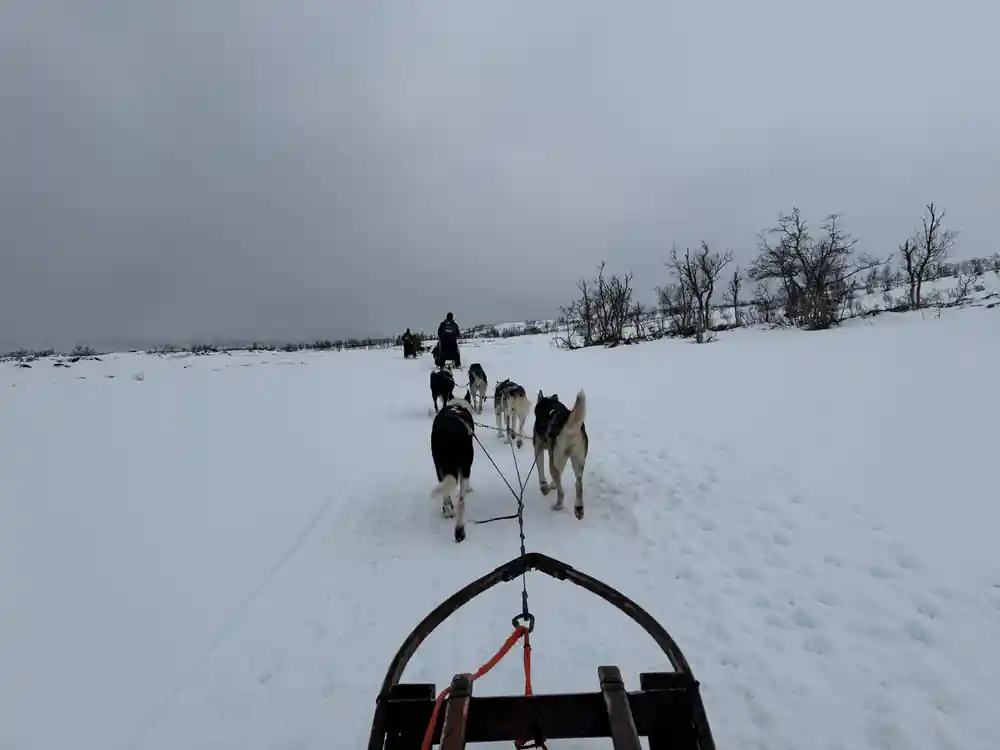
- Você permanece de pé e em equilíbrio sobre os corredores, e partilha o trenó com um companheiro
O que acontece quando o gelo derrete em Tromsø
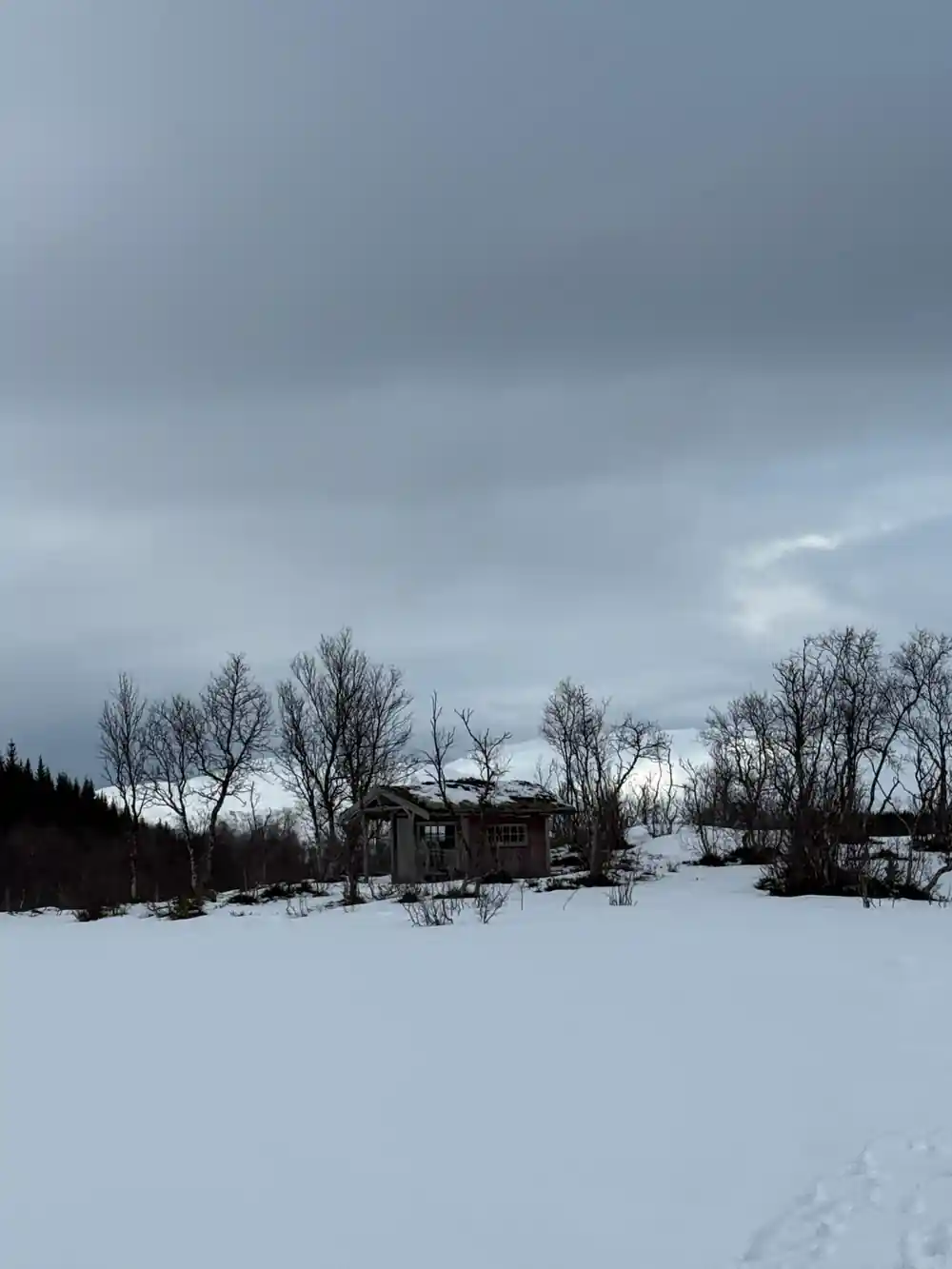
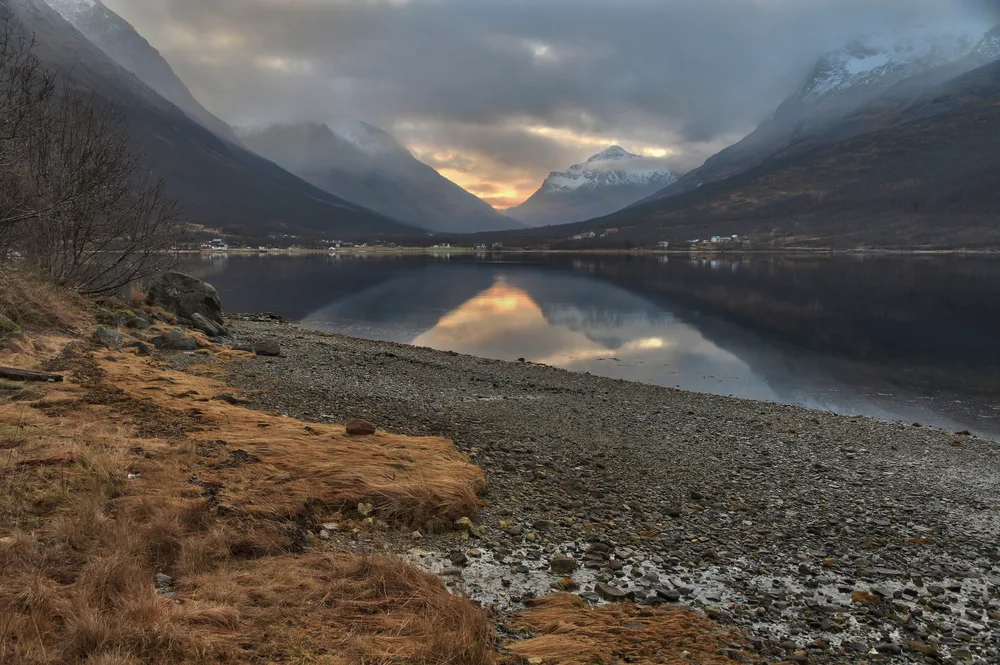
Tromsø fica situada em ilhas e fiordes, pelo que o inverno aqui tem duas superfícies: neve na terra e gelo na água. Durante as semanas mais frias, os braços interiores dos fiordes e as baixas zonas costeiras em redor de Kvaløya podem congelar, e as trilhas no interior mantêm a superfície firme e rápida que os cães de trenó adoram. Depois a luz regressa, o vento muda de direção, e a paisagem se desfaz em pedaços. A chuva chega do mar, a camada superior da neve amolece, a água de derretimento acumula-se nas trilhas, e o gelo junto à costa fica cinzento, depois podre, e depois desaparece.
Isto não acontece numa manhã dramática. A mudança processa-se por etapas, com períodos de frio que voltam a colocar uma camada de gelo sobre as poças e períodos mais amenos que a retiram novamente. Correr de trenó depende da superfície sob os corredores e não da data, e os canis leem as suas trilhas semana a semana antes de decidir sair. Enquanto isso, a temporada da Aurora Boreal em Tromsø decorre de final de agosto a início de abril.[17] As noites de aurora e os dias de trenó partilham muitas das mesmas semanas.
Datas da temporada de neve em Tromsø e o que cada mês oferece
A temporada de trenó com cães de tração no norte da Noruega decorre normalmente de dezembro a março, dependendo das condições de neve.[15] Esses meses não são uma coisa só. A temporada abre com o período escuro e silencioso: algumas horas azuis em torno do meio-dia, neve seca que range sob os pés e a Noite Polar acima. Em Tromsø, a Noite Polar começa em 27 de novembro e dura até 15 de janeiro de cada ano.[16] A temperatura média de inverno em Tromsø é de cerca de −4°C.[18]
Mais tarde na temporada o sol volta a ficar acima dos telhados, e a neve costuma estar no seu ponto mais profundo e estável. Os dias claros trazem manhãs firmes e tardes mais amenas. É então que os primeiros sinais reais de derretimento aparecem nas encostas viradas a sul e na cidade: beirais a gotejar, manchas descobertas nos passeios e lama onde um caminho estava congelado mais cedo no inverno. A neve na costa pode desaparecer rapidamente quando chega ar mais quente, enquanto os vales interiores e os planaltos montanhosos mantêm a cobertura por mais tempo. Se está a escolher uma semana, deixe-se guiar pela neve e mantenha alguma folga no meio da viagem.
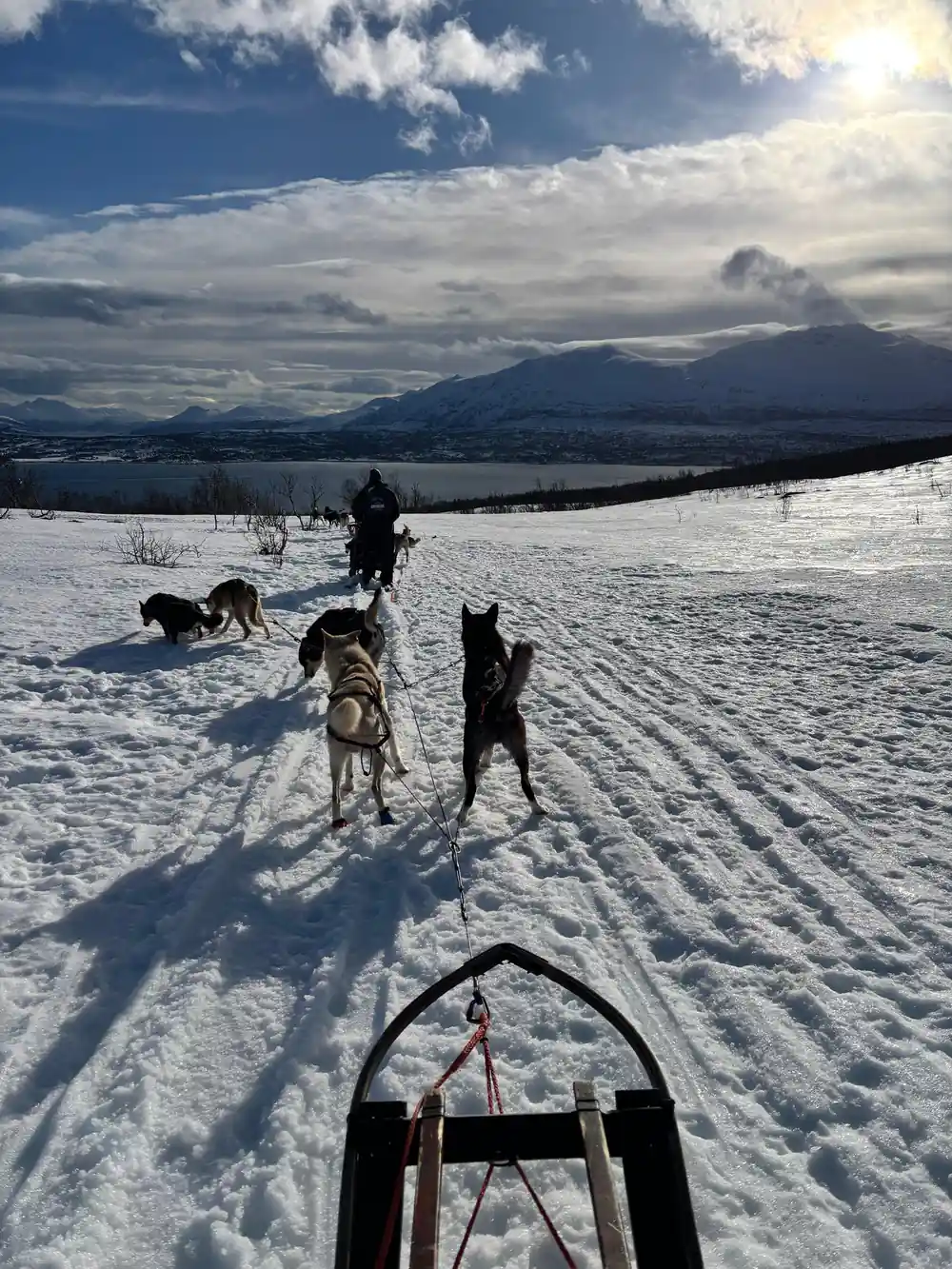
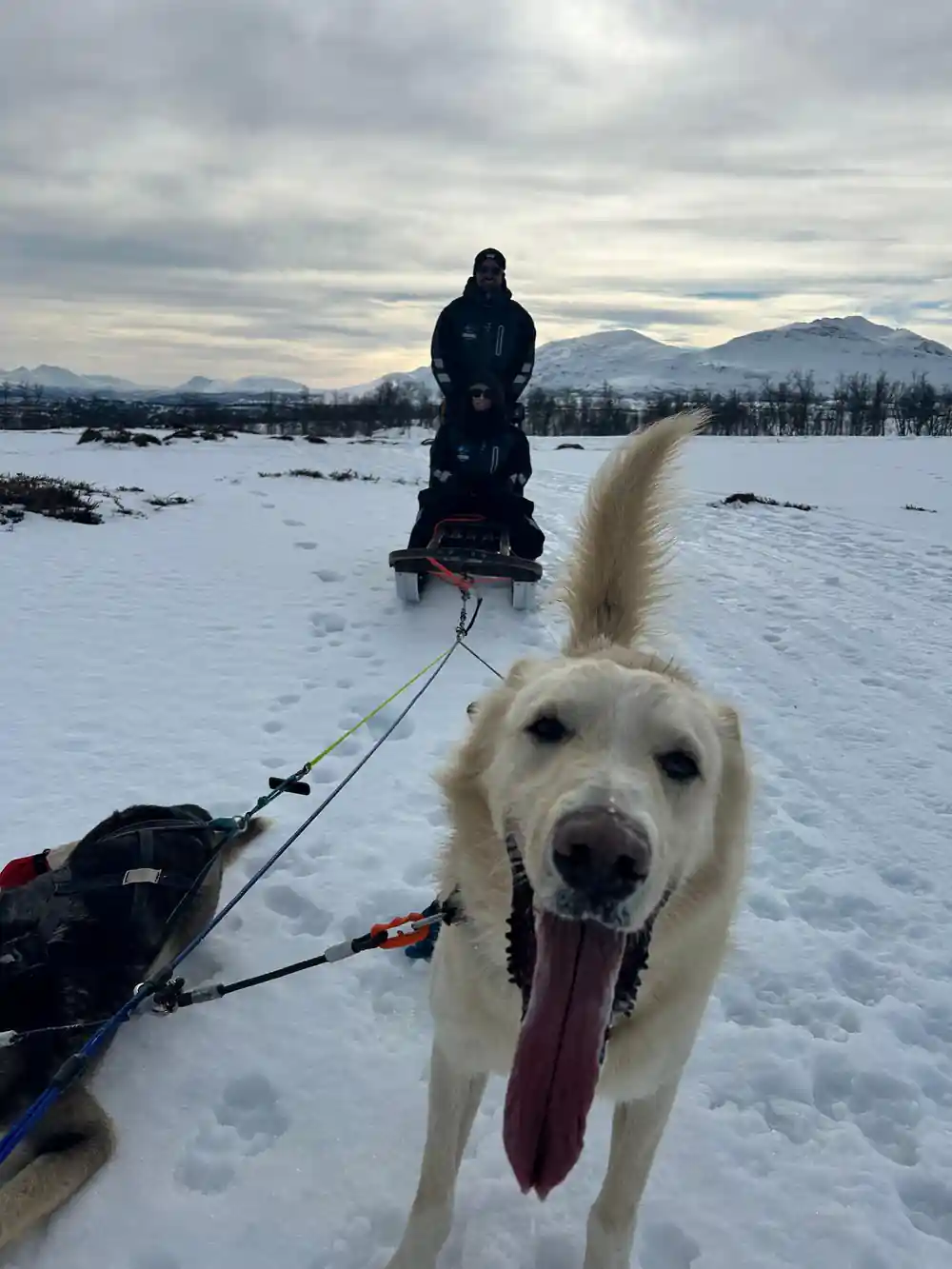
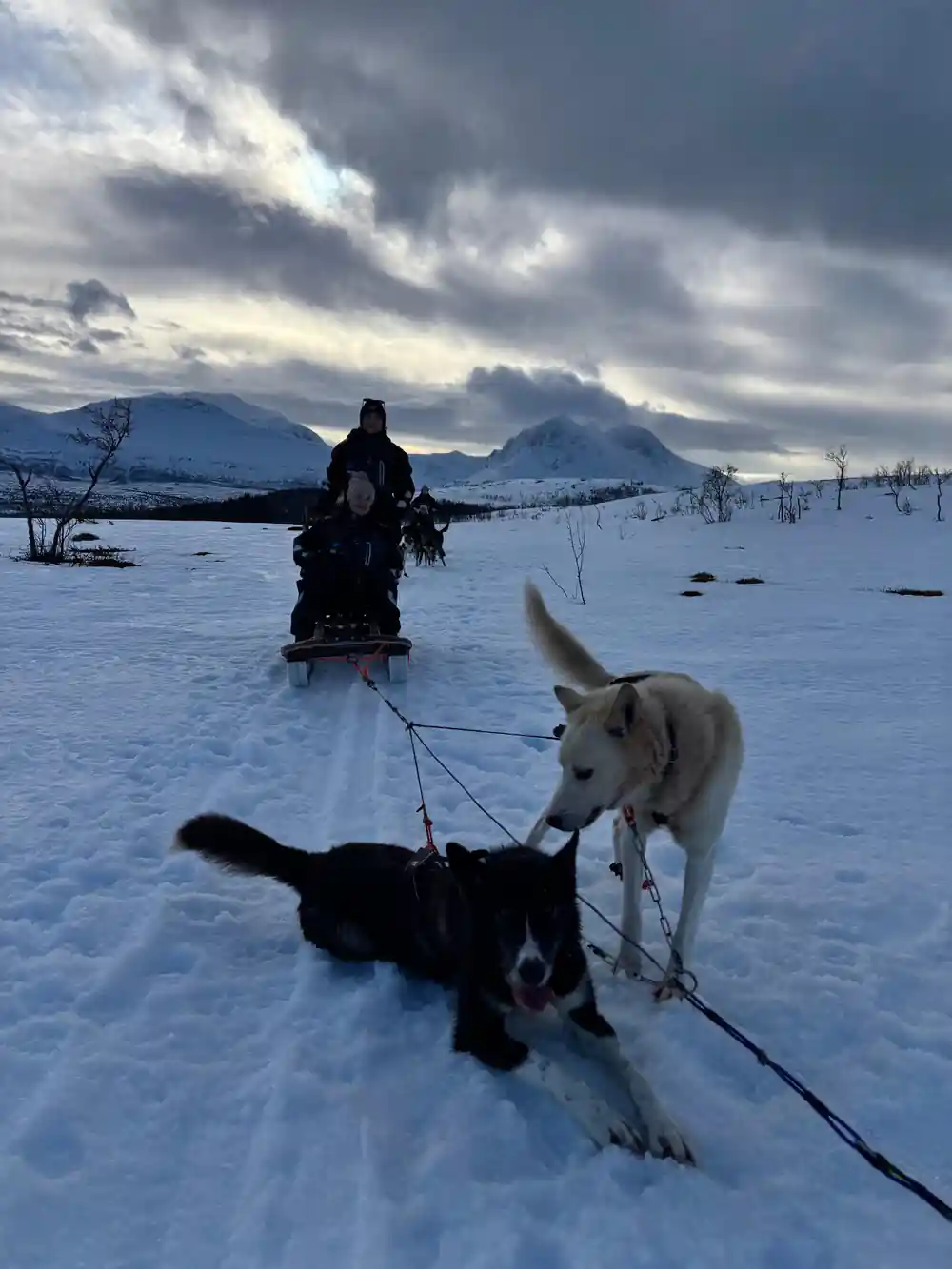
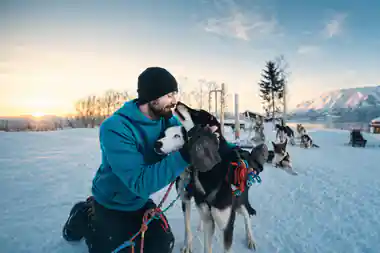
Os cães de trenó descansam na neve enquanto o condutor verifica a equipa antes da próxima corrida.
Noite Polar, sol da meia-noite e a luz entre ambos
A temporada escura não é um apagão. Durante a Noite Polar em Tromsø, que começa em 27 de novembro e dura até 15 de janeiro de cada ano, o sol permanece abaixo do horizonte, mas o céu ainda se tingem de azul cobalto, rosa e lilás em torno do meio-dia.[16] Essa luz é suave e demora a passar, o que favorece a fotografia lenta e as caminhadas longas e serenas. Os locais tratam o meio do dia como o momento principal, e você também pode fazê-lo: é a melhor altura para estar ao ar livre e a luz mais suave para fotografar os cães.
No outro extremo do ano, o sol da meia-noite em Tromsø costuma durar de meados de maio a 22 de julho.[20] Entre os dois extremos vêm as estações intermédias, quando a luz é a de qualquer dia e o tempo é tudo menos previsível. Para trenó, a parte útil do ano é o período escuro e frio, quando as trilhas estão cobertas e os cães estão a trabalhar. Para caminhadas, kayak e o sol da meia-noite, espera-se que a linha da neve suba.
O gelo de Ramfjorden e os fiordes que congelam
Nem todos os fiordes à volta de Tromsø congelam, e nem todos os invernos. O gelo de Ramfjorden é a exceção local que as pessoas vigiam: a extremidade interior do fiorde é rasa e abrigada, e acumula água doce que escorre da terra, pelo que um período longo de frio pode estender uma camada de gelo sobre ele enquanto as águas exteriores permanecem abertas. Quando a lâmina se mantém, patinadores e pescadores no gelo aparecem rapidamente, testando-a com varas e brocas antes de se comprometerem. Noutros pontos da região, o gelo no mar é irregular e de curta duração.
O derretimento trabalha a partir de ambos os lados. O sol amolece a superfície, as correntes e a maré trabalham por baixo, e o vento parte a lâmina em flocos que derivam, se compactam e voltam a congelar durante a noite. A temperatura média de inverno em Tromsø é de cerca de −4°C.[18] Nada no gelo marinho é garantido, por isso trate qualquer lâmina junto a uma cidade, um porto ou uma rota marítima com desconfiança, e pergunte localmente antes de pôr os pés em cima. O gelo nos fiordes aqui é um presente de um período de frio, não uma constante em cada inverno.
a partir de US$351
O passeio de mota de neve com huskys com reserva neste site tem a duração de 4 horas e começa a partir de US$351, com cancelamento gratuito até 24 horas antes.[19]
Trenó com huskies enquanto a neve durar
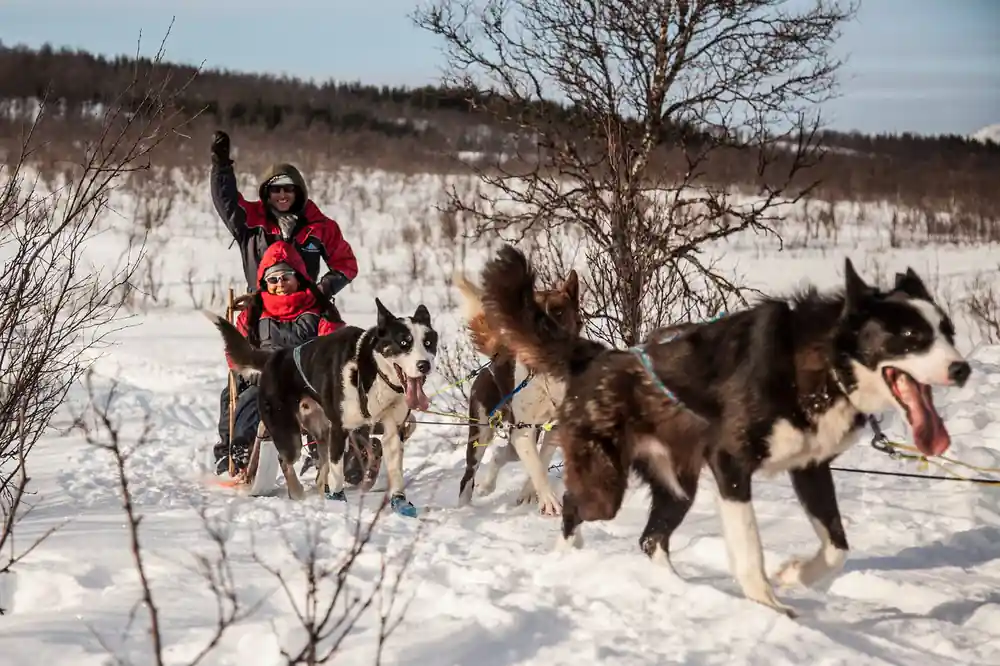
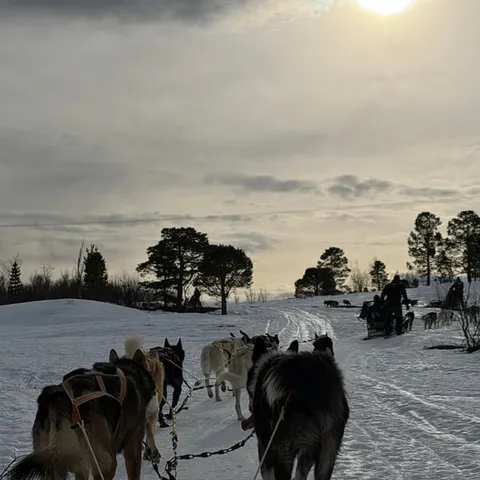
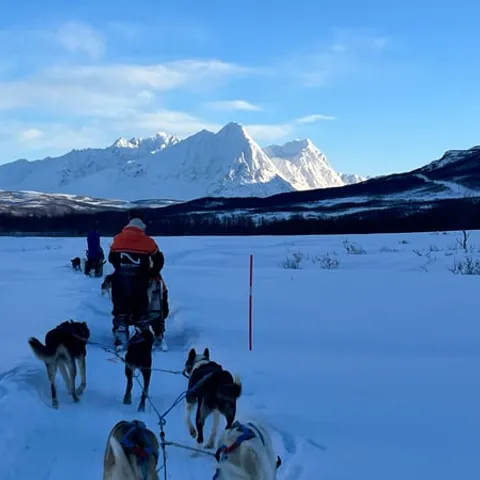
O passeio reservado neste site é o Tromsø: Self-Drive Husky Dog Sledding Adventure. Dura 4 horas com um instrutor de língua inglesa, começa a partir de 351 USD e tem uma classificação de 4,91 de 4.408 avaliações.[19] Condução própria significa que você conduz a sua própria equipa pequena, com o trenó do guia à sua frente e os cães a fazer o trabalho. As paragens listadas são Bus/coach, Kvaløya e Bus/coach, pelo que o percurso decorre na ilha.[19] Pode reservar agora e pagar depois, e está disponível cancelamento gratuito até 24 horas antes para um reembolso total.[19]
Outros passeios com huskies cobrem o mesmo território de formas diferentes. Uma experiência com condução própria com almoço tradicional dura 4 horas a partir de 355 USD, com classificação de 4,86 de 2.050 avaliações.[21] Um passeio de trenó guiado com almoço dura 4 horas a partir de 358 USD.[23] Se preferir não conduzir a equipa, o Fun and Easy Dog Sledding Adventure dura 4,5 horas a partir de 305 USD, com classificação de 4,88 de 2.077 avaliações, com uma paragem em Breivikeidet.[22] Há também dias mais longos: uma aventura de trenó em Tamokdalen dura 7 horas a partir de 356 USD.[24]
O que vestir quando a neve fica molhada
O vestuário de inverno em Tromsø trabalha arduamente. Tem de o manter quente numa manhã fria e parada e de o manter seco quando o mesmo dia se transforma em neve molhada. Comece com uma camada base térmica, adicione fleece ou lã e termine com uma camada exterior corta-vento e impermeável. Botas isoladas com espaço para meias grossas importam mais do que um casaco pesado quando passa longos períodos de pé imóvel nos corredores. As luvas de mão vencem as luvas de dedos no frio, e um par extra na sua mochila vale o peso.
Óculos de proteção ou óculos de sol ajudam quando o sol baixo reflete na neve, e um balaclava fino impede que o capuz esfregue o rosto. Pergunte ao operador que equipamento exterior emprestam antes de fazer a mala e mencione quaisquer limitações de mobilidade ao reservar: precisa de equilibrar-se, mudar de peso e saltar de um trenó em movimento durante o dia. Kvaløya começa a menos de 5 km do centro de Tromsø na ponte Sandnessund.[25]
Um ponto prático sobre o horário. A luz do dia cresce rapidamente na primavera, e um passeio de meio dia pode começar com sol brilhante e terminar com uma luz azul suave, enquanto a mesma viagem nas semanas mais escuras decorre quase inteiramente ao crepúsculo. Escolha o mês pela luz que deseja tanto quanto pela neve.
Para onde ir quando as trilhas amolecem
Quando os trenós param de correr, a mesma paisagem permanece aberta para caminhar e para tempo com os animais. Um passeio de raquetes de neve com encontro com renas dura 4 horas a partir de 189 USD.[26] Uma caminhada guiada com raquetes de neve e visita ao canil dura 5 horas a partir de 189 USD.[27] As visitas aos canis continuam nas semanas intermédias também: uma sessão de treino de filhotes num canil de huskies dura 4,5 horas a partir de 172 USD, com classificação de 4,94 de 402 avaliações.[28] Para uma introdução mais suave aos cães de trenó, um encontro com huskies e bolo de chocolate caseiro dura 2 horas a partir de 105 USD.[29]
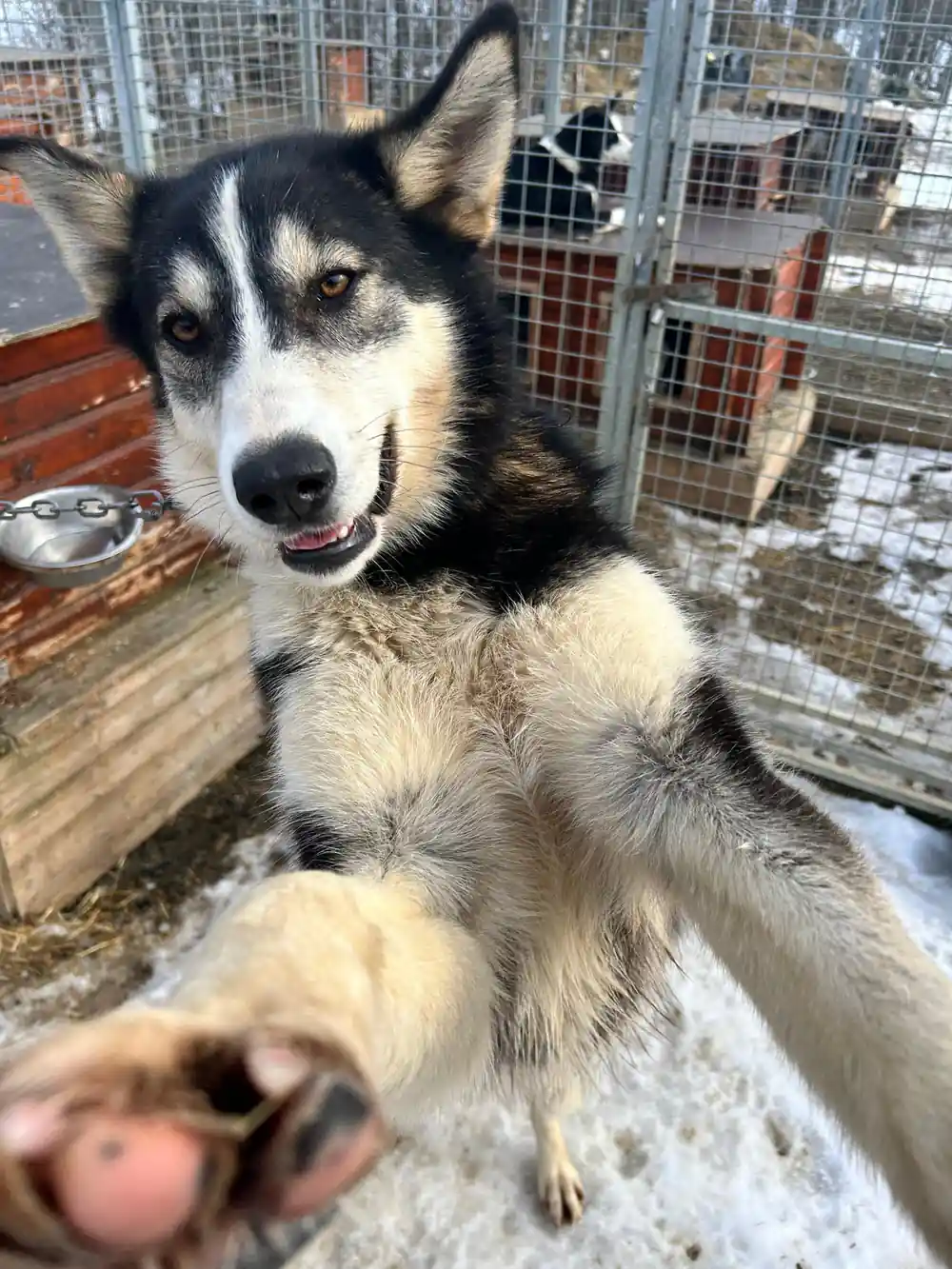
A comunidade de cães à volta de Tromsø não é um espetáculo. Durante mais de três décadas e duas gerações, a família da Holmen Husky Lodge criou e corrido com Alaskan Huskies criados para resistência, resiliência e coragem.[30] A pastorícia de renas tem raízes mais profundas ainda: perto de Tromsø, a cultura de pastorícia de renas dos Sámi é representada por uma família Sámi de pastorícia de renas que vive e trabalha com renas há muitas gerações.[31] Se quer a outra grande atração do inverno, os Tromsø Ice Domes ficam a 95 km de Tromsø, no coração do Vale de Tamok.[32]
Mais uma coisa que vale a pena saber: a Finnmarksløpet é a maior corrida de trenó de cães da Europa.[33] E se um dia de motonieve o tentar, tenha em conta que na Noruega uma carta de condução de categoria S o habilita a conduzir uma motonieve aberta, e em alguns casos pode conduzir sem ela.[34] Em dias claros de primavera, o teleférico Fjellheisen sobe até Storsteinen, a 421 metros acima do nível do mar, para uma vista sobre a cidade e a água.[35]
A duração de cada passeio de trenó
Durações indicadas em cada página GetYourGuide:[19],[21],[22],[24],[29].
Passeios com huskies, preços a partir de dólar americano
Preços a partir de dólar americano para estas listagens GetYourGuide:[19],[21],[23],[22]. Os preços para crianças não são indicados nestas listagens, pelo que ficam de fora aqui.
Quando cada parte da temporada abre
Planear em torno do degelo
Verifique a neve, não a data
A temporada de trenó no norte da Noruega decorre normalmente de dezembro a março, dependendo das condições de neve.[15]
Reserve primeiro o dia com os huskys
O passeio com reserva própria tem a duração de 4 horas a partir de US$351 e oferece cancelamento gratuito até 24 horas antes.[19]
Deixe um dia livre
O tempo muda depressa na primavera. Um dia livre permite-lhe trocar a data do passeio de trenó sem perder o resto dos seus planos.
Vista-se para duas estações
Camadas quentes e secas funcionam para as manhãs frias e as tardes húmidas. Pergunte ao canil que equipamento exterior emprestam antes de fazer a mala.
Pergunte sobre idade e capacidade
No passeio Fun and Easy Dog Sledding, as crianças podem participar se tiverem pelo menos 7 anos e estiverem acompanhadas por adultos.[36]
Conduza a sua própria equipa antes da neve derreter
a partir de US$ 351Reserve agora e pague depois